





Florida contractors lose jobs in the Map Pack to shops that treated Google Business Profile like a storefront and treated the website like a brochure rack. This is the step-by-step. It is for GCs, remodelers, roofers, and outdoor living companies that sell high-ticket work. HVAC and plumbing can follow it. The plumber-specific version is a separate guide.
There is no 70 percent lead increase attached to these steps. Your starting reviews, duplicates, and metro decide the slope. The work is still the same.
Prerequisites
- ·Access to GBP, the domain registrar, Search Console, and Analytics.
- ·A phone that will be answered during advertised hours.
- ·Call tracking or at least unique numbers for site vs ads.
- ·License numbers ready to display.
Step 1: Clean the listing
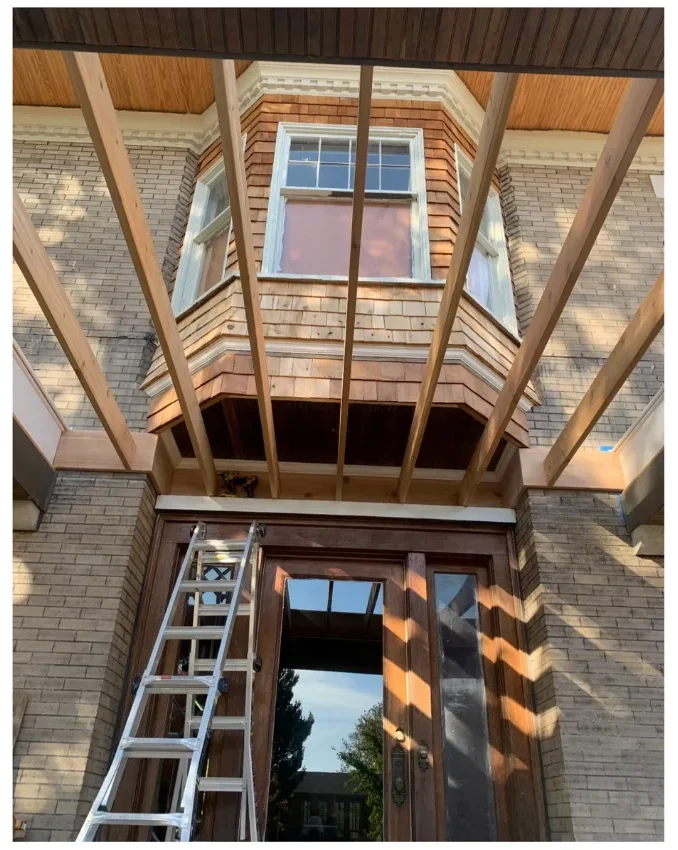
Primary category that matches the trade. Additional categories only for work you sell. Service area that matches dispatch. Hours that match staffing. Remove old owners and duplicate listings. Upload real job photos. This step alone can move a pack when the listing was a mess.
Step 2: Fix NAP and Apple Business Connect
Same name, address format, and phone on the site, GBP, and major directories. Create or claim Apple Business Connect. Do not budget for Apple Maps ads. They are retired.
"Step-by-step local SEO for Florida general contractors and trades: GBP, citations, pages, reviews, and a 90-day Map Pack target. No 70 percent lead claim."
Step 3: Service pages, then city pages
One URL per job you want: kitchen, bath, roof, deck, lanai, addition. Then city pages with jobs and local detail. Thin templates waste the crawl. Internal links from the homepage and menu.
Step 4: Technical bar
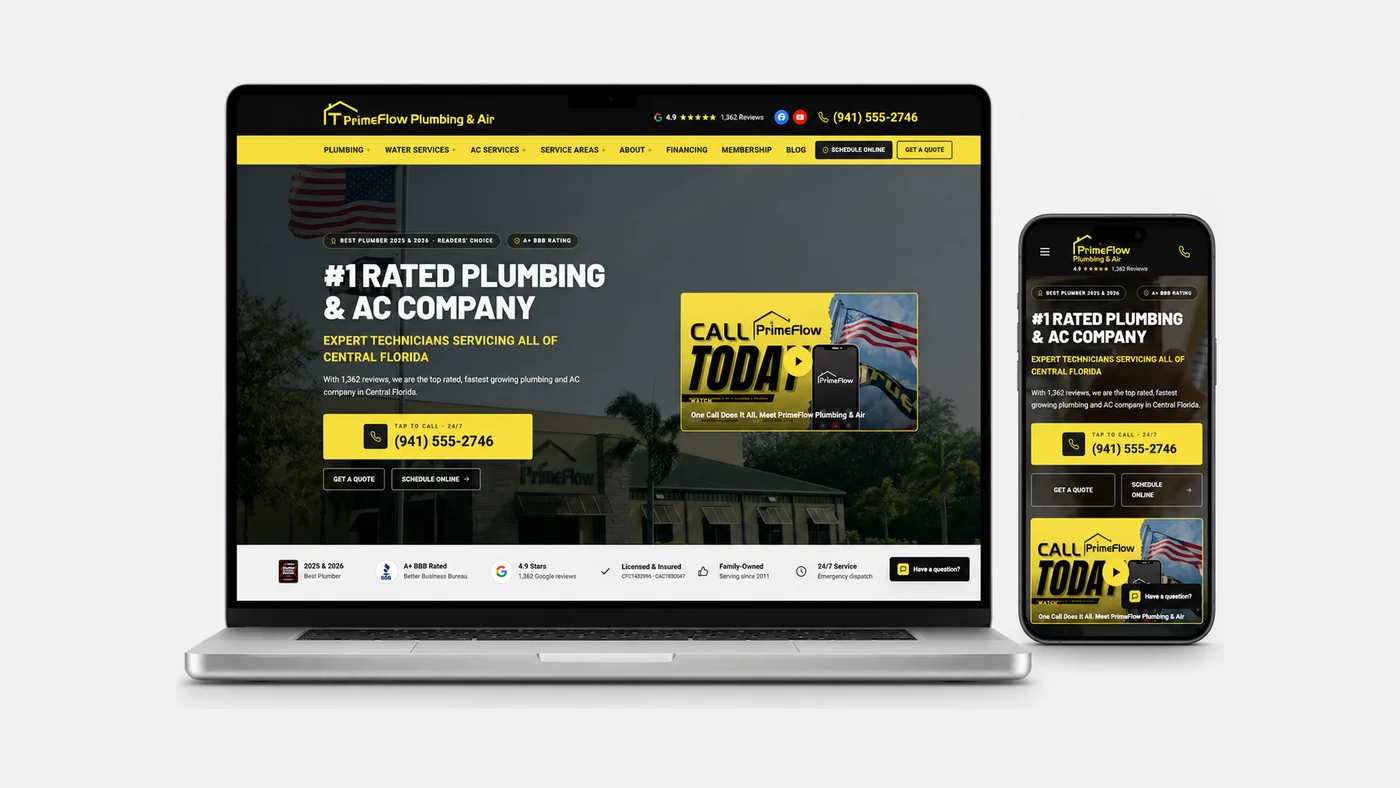
HTTPS, mobile layout, schema, index the pages you care about, load in under two seconds. Websites if the current build cannot hit that.
Step 5: Reviews on a weekly cadence
Ask at completion. Text follow-up. Reply to all. Storm season is not an excuse to ignore a two-star about communication.
Step 6: Links and proof
Manufacturer and supplier listings, local press, project features. Extra Link Building +$1,500 per month when needed on an active campaign.
Step 7: Measure on a grid
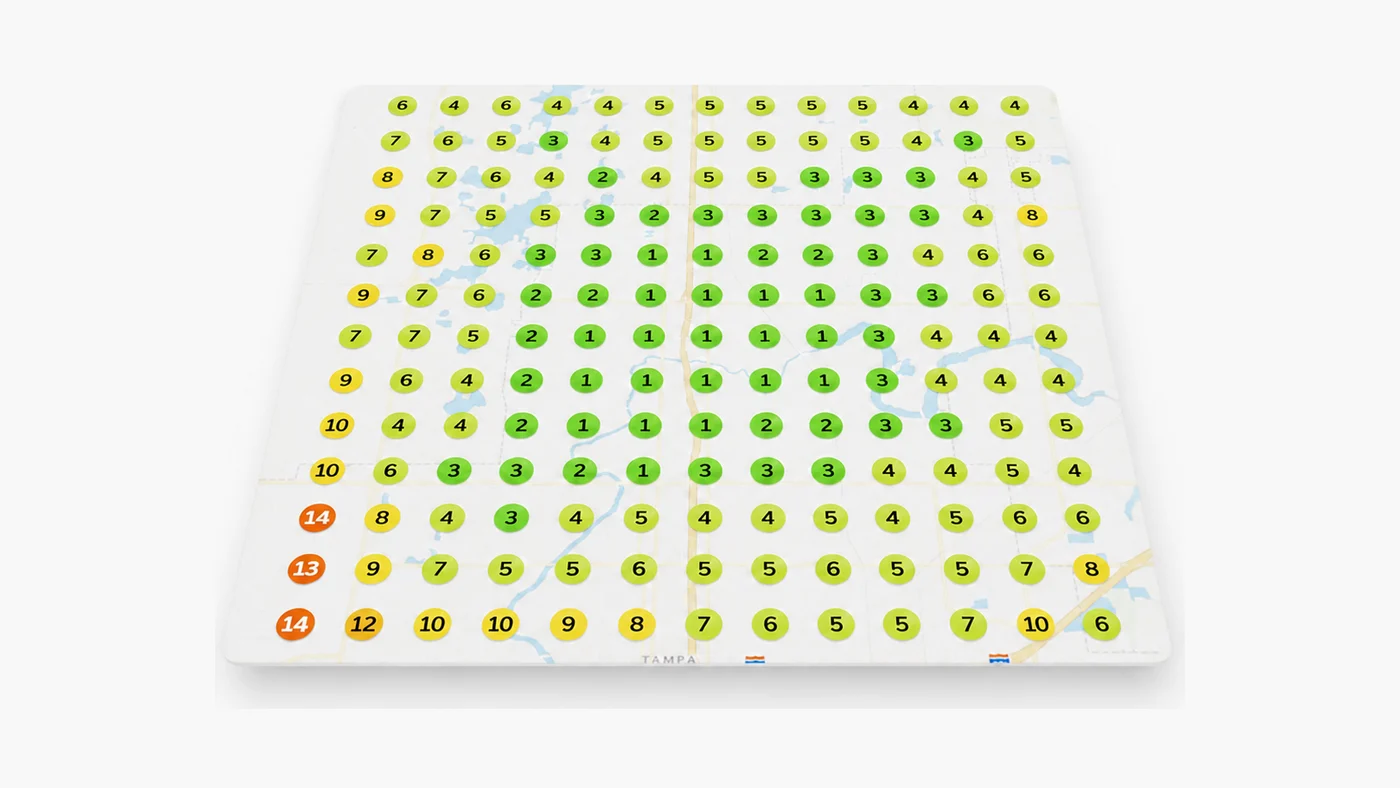
Geogrid for Map Pack. Calls and booked jobs. Incognito phone checks from two cities you serve. Search Console for queries that already click.
Common mistakes
- ·Statewide service area on a three-truck company.
- ·Keyword-stuffed business name.
- ·City pages copied 20 times.
- ·Buying links in bulk.
- ·Pausing all ads the day SEO starts.
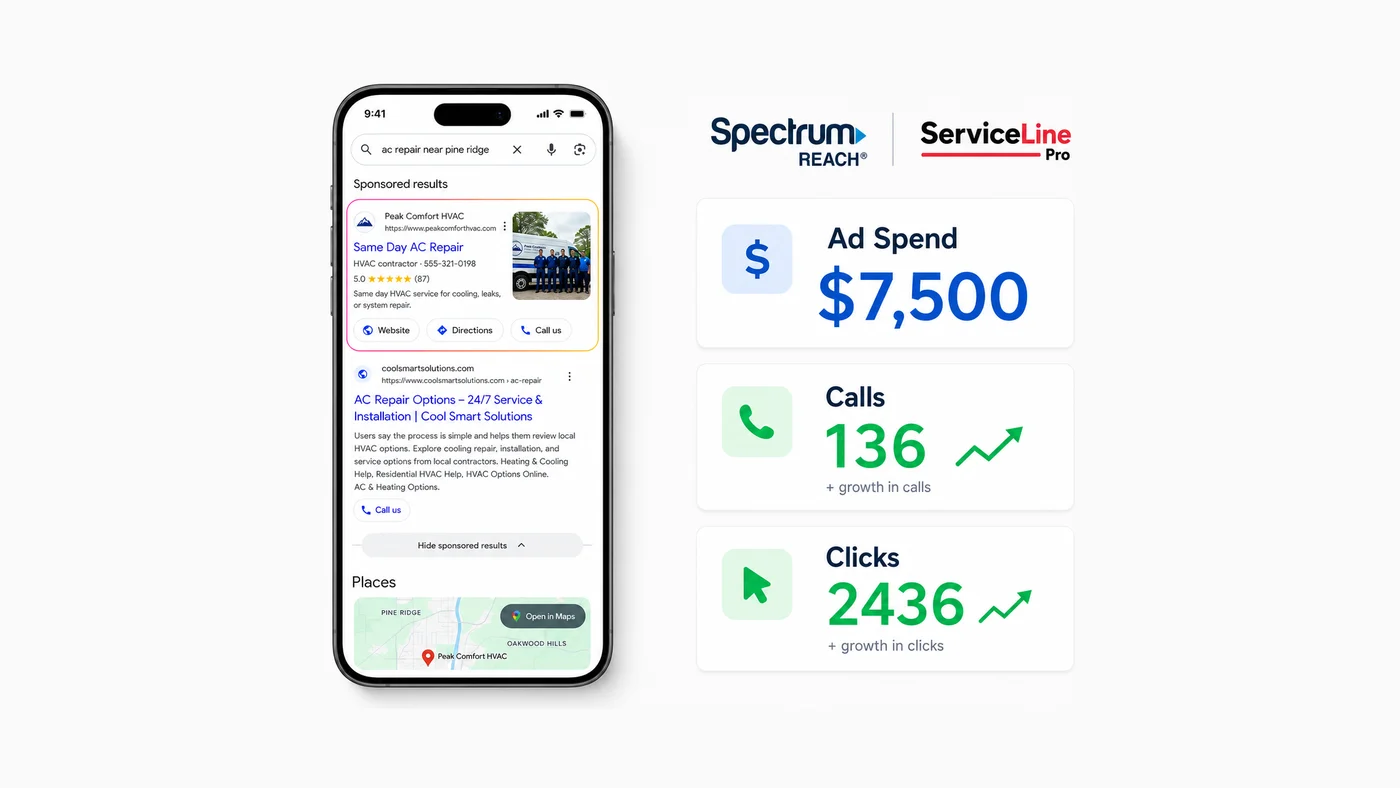
Keep Google Ads on if you need jobs during the climb. $0 agency fee at typical $5,000 monthly metro spend.
SEO campaigns run these steps at $3,000 per month. AI SEO is +$1,500 with active SEO. $1,000 Growth Audit maps your gaps. Book a strategy call at (813) 669-7572.
What 90 days usually looks like for a GC
You will not rebuild a decade of competitor reviews in 90 days. You can fix duplicates, launch pages, start velocity, and move a pack that was blocked by a bad category or NAP. Competitive organic for kitchen remodel in a coastal metro continues after day 90. Plan the campaign as ongoing. Treat 90 days as the first checkpoint on the Map Pack target, not as graduation.
Permits, licenses, and E-E-A-T in plain terms
Show the license. Show jobs. Show a real address policy (public or hidden with a true service area). Google does not need a memoir. It needs to believe you are the contractor in that city. Fake team photos and stock kitchens work against you in a market where every neighbor already hired someone.
If you run multiple DBAs, pick the public brand and align GBP. Split listings split reviews.
Frequently Asked Questions
How long until Florida contractors see Map Pack movement?
Cleanup can show in weeks if the listing was wrong. Competitive grids often need the full 90-day cycle and ongoing reviews.
Do I need a blog in this guide?
After service and city pages exist. Blogging first is a stall.
Should GCs hide the address?
Hide it if there is no public office. The pin still needs to sit near where you work.
What does this cost?
ServiceLine Pro SEO is $3,000 per month. Websites are $2,500 once or $250 per month for 12 months.
Get a real diagnosis of your business.
A seven-layer review of your SEO, Google Ads, website, and Map Pack presence, delivered as a written report within 72 hours. It's $1,000 and it always credits toward any work you do with us. If we don't find $100,000 in missed revenue, we refund it.
Get the Growth Audit