



Stop wasting money on marketing that looks busy but does not book jobs. The best marketing for contractors starts with local search, because that is where people already looking for a GC, roofer, HVAC tech, plumber, electrician, or landscaper go first. Posting on social and "building brand awareness" do not fill a Tuesday board if you are invisible in the Map Pack and unpaid on the keywords that convert.
A contractor moving from $1M to $10M needs a short prioritized list, not twenty ideas. Start at the top. Add the next tactic only when the previous one has tracking and an owner.
1. Local SEO and the Map Pack
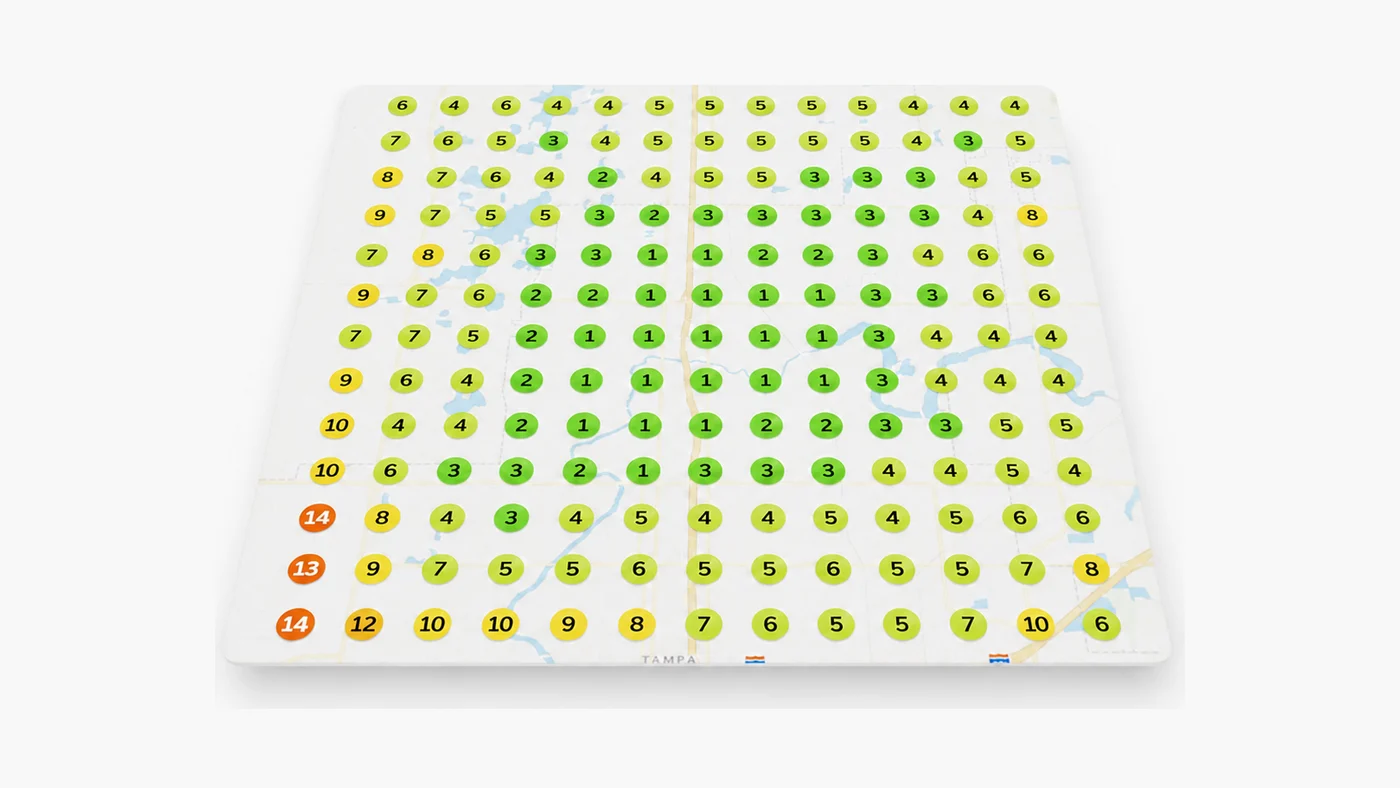
Treat the Google Business Profile as a revenue asset. Right primary category, full services list, real job photos, matching NAP on citations (including Apple Business Connect and Yelp as directories, not ads products), service and city pages, and a review ask after every successful job. Track on a geogrid. Details: how to rank on Google Maps.
2. Google Ads with real conversions
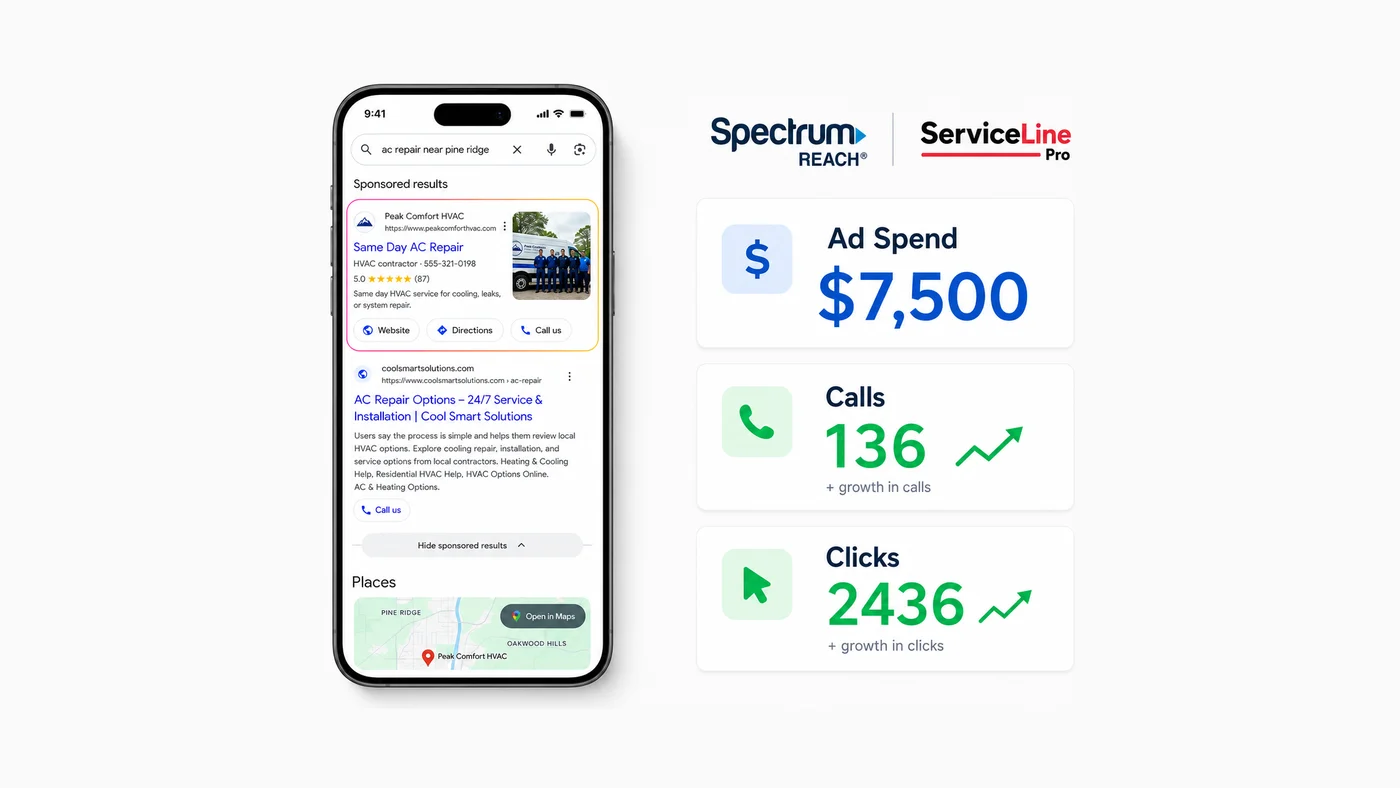
Fastest way to buy attention this week. Split campaigns by service, urgency, and location. Send clicks to service pages, not the homepage. Set call and form tracking before launch. Import qualified leads, not 10-second calls, back into Google Ads. Typical spend around $5,000 per month in a competitive metro. ServiceLine Pro runs this at $0 agency fee. Leads often inside 7 days. Pair with Google Ads for contractors if you want account structure detail.
"The best marketing for contractors starts with Map Pack and Google Ads, then reviews, call tracking, LSAs, a fast site, and owned lead flow. Ten tactics ranked by booked jobs."
3. Call tracking and grading
Without call tracking, every budget meeting is opinion. Unique numbers per channel, recordings, weekly grades. Cost per booked job is the scoreboard.
4. Review velocity
On-site ask plus a text link. Respond to every review. This raises Map Pack rank and close rate at once.
5. Local Services Ads
Pay per lead with a Google Guaranteed badge. Start verification (licenses, insurance, background checks) weeks before you need the leads. Caps follow your review profile and budget.
6. A website that loads under two seconds
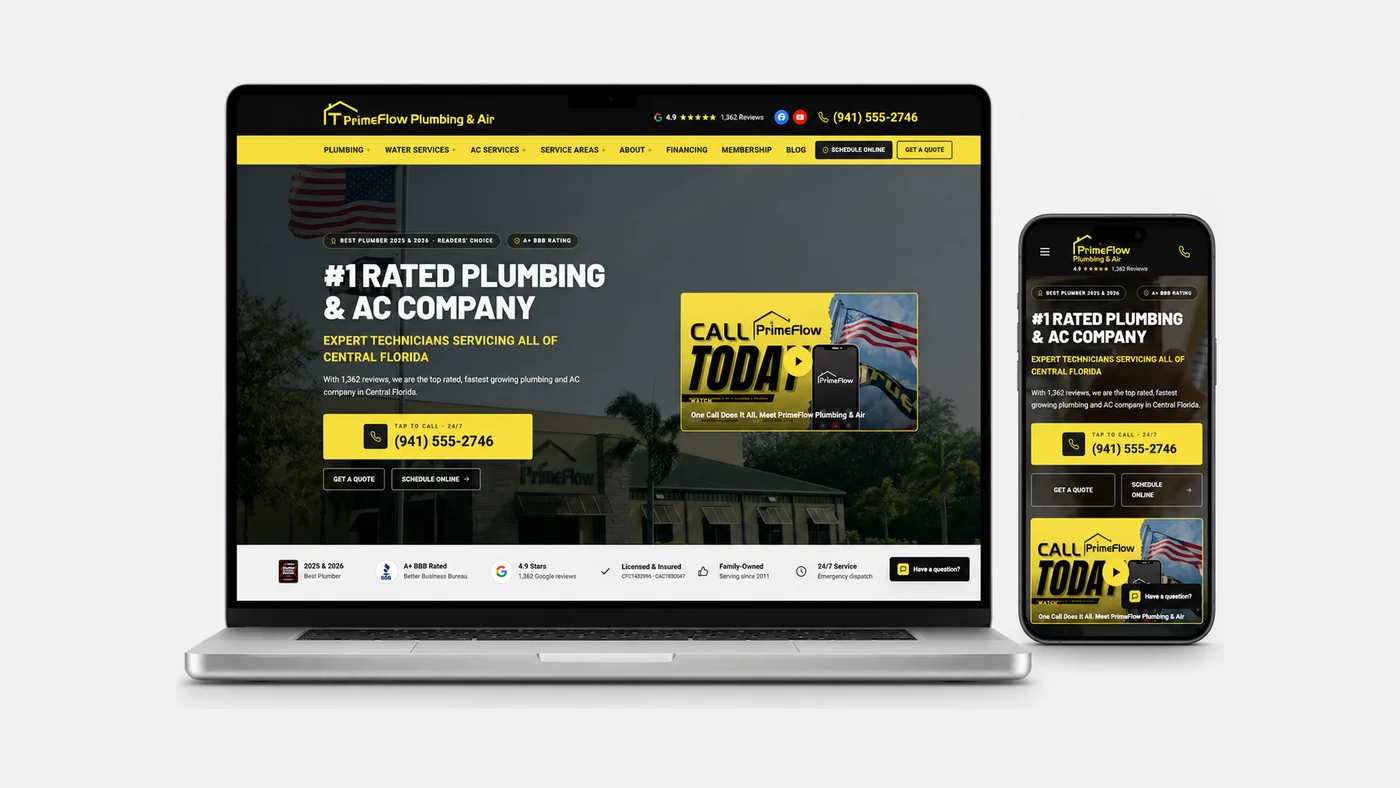
Performance websites live in 30 days: $2,500 once or $250 per month for 12 months. You own the files. Slow page builders waste paid clicks.
7. Pay Per Qualified Lead for overflow
PPQL: $1,000 deposit credited. Pay only for qualified calls (decision maker, business hours, real interest, contact captured). Fill crew gaps. Do not use shared marketplaces as a growth plan.
8. Email and SMS to past customers
Maintenance reminders, storm follow-ups, referrals. Cheapest channel you already paid to acquire.
9. AI search visibility
AI SEO at +$1,500 per month with active SEO, plus ChatGPT Ads at $1,500 setup + $500 per month if you want paid placement there. Structured data, reviews, and quotable local pages feed organic citations.
10. Brand channels last: streaming and paid social
OTT/CTV is branding, typically $5,000 per month and up. Nobody calls from the spot. Paid social exists as remarketing after search is working. Do not lead with it for emergency trades.
The $1,000 Growth Audit scores the stack in 72 hours. Or book a strategy call at (813) 669-7572. SEO campaigns are $3,000 per month with a 90-day Top-3 Map Pack target. If we miss it, we keep working.
Frequently Asked Questions
What is the best marketing for a small contractor?
Google Business Profile, reviews, and Local Services Ads first. Add Google Ads and a 90-day SEO campaign once you can sustain about $5,000 per month in ad spend plus a $3,000 SEO retainer.
Should contractors post on social media?
Yes as proof and remarketing, after Map Pack and paid search have tracking. Social is a poor primary lead engine for emergency work.
How do I know which tactic to cut?
Anything that cannot show cost per booked job in 90 days. Keep the channels that can.
Get a real diagnosis of your business.
A seven-layer review of your SEO, Google Ads, website, and Map Pack presence, delivered as a written report within 72 hours. It's $1,000 and it always credits toward any work you do with us. If we don't find $100,000 in missed revenue, we refund it.
Get the Growth Audit