




A marketing request for proposal (RFP) is a document that spells out what you need so agencies bid on the same job. For a GC, HVAC shop, plumber, roofer, or electrician, that job is booked work, not a list of services. Without an RFP you get handshake retainers, vague "more leads" goals, and a year of reports that never mention cost per booked job.
Write outcomes, not activities
Replace "I need more leads" with numbers you can check in 90 days. Examples that agencies can actually answer: Top-3 Map Pack as a target for named services in named zips, with continued work if missed. Qualified, booked jobs from Google Ads at a cost you can live with given ticket size. Call tracking on every channel. You own the website, ads accounts, and data on exit.
A 90-day Top-3 Map Pack target is honest. A ranking promise is not. Put that distinction in the RFP so vendors who sell guarantees self-select out.
Sections every contractor RFP needs
Company and market
- ·Trade mix and ticket sizes (repair vs replacement, residential vs commercial)
- ·Service area as a zip list, not "all of Florida"
- ·Current marketing: website, Google Business Profile, ads, agencies, what failed
- ·Capacity: how many jobs you can take next quarter so they do not flood you
Scope and deliverables
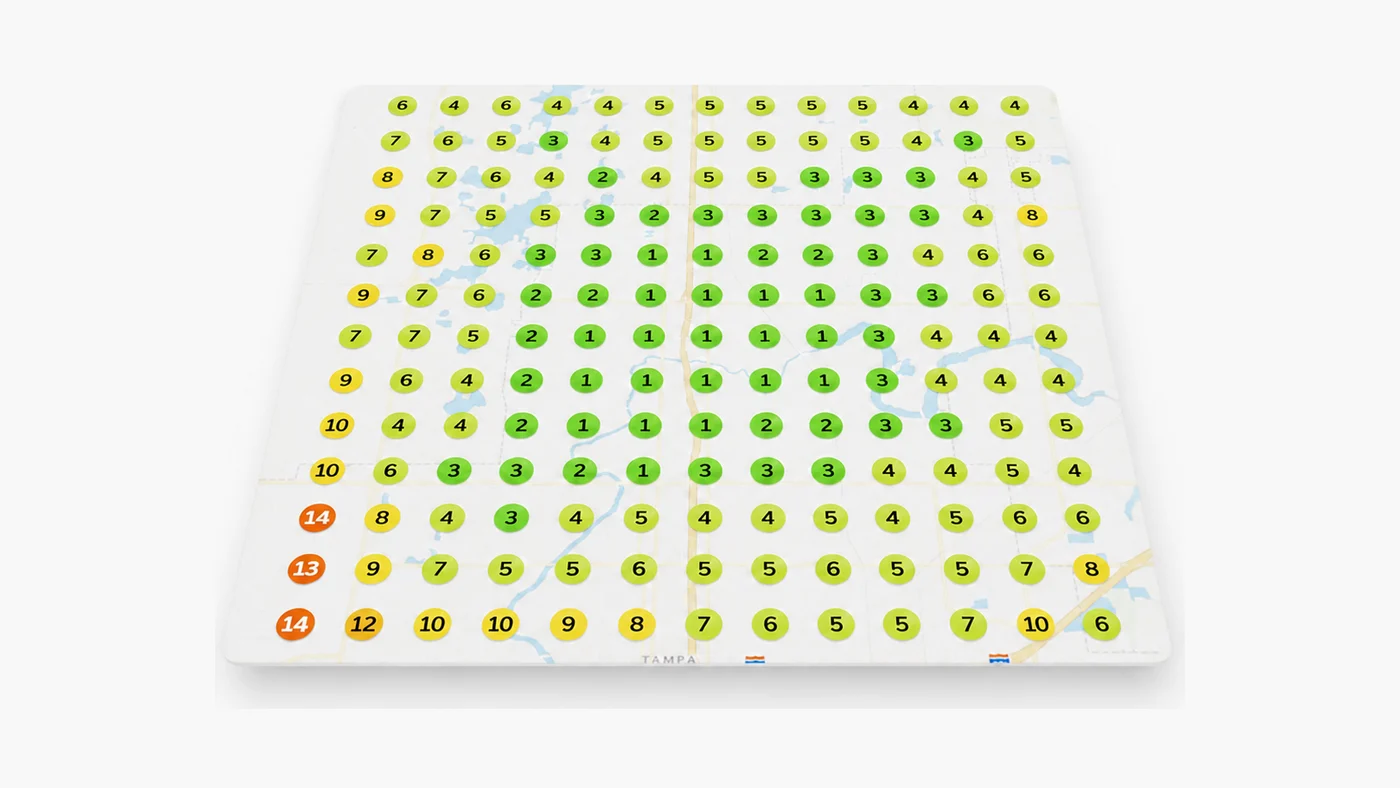
- ·SEO: pages, citations, GBP, geogrid reporting, monthly content volume
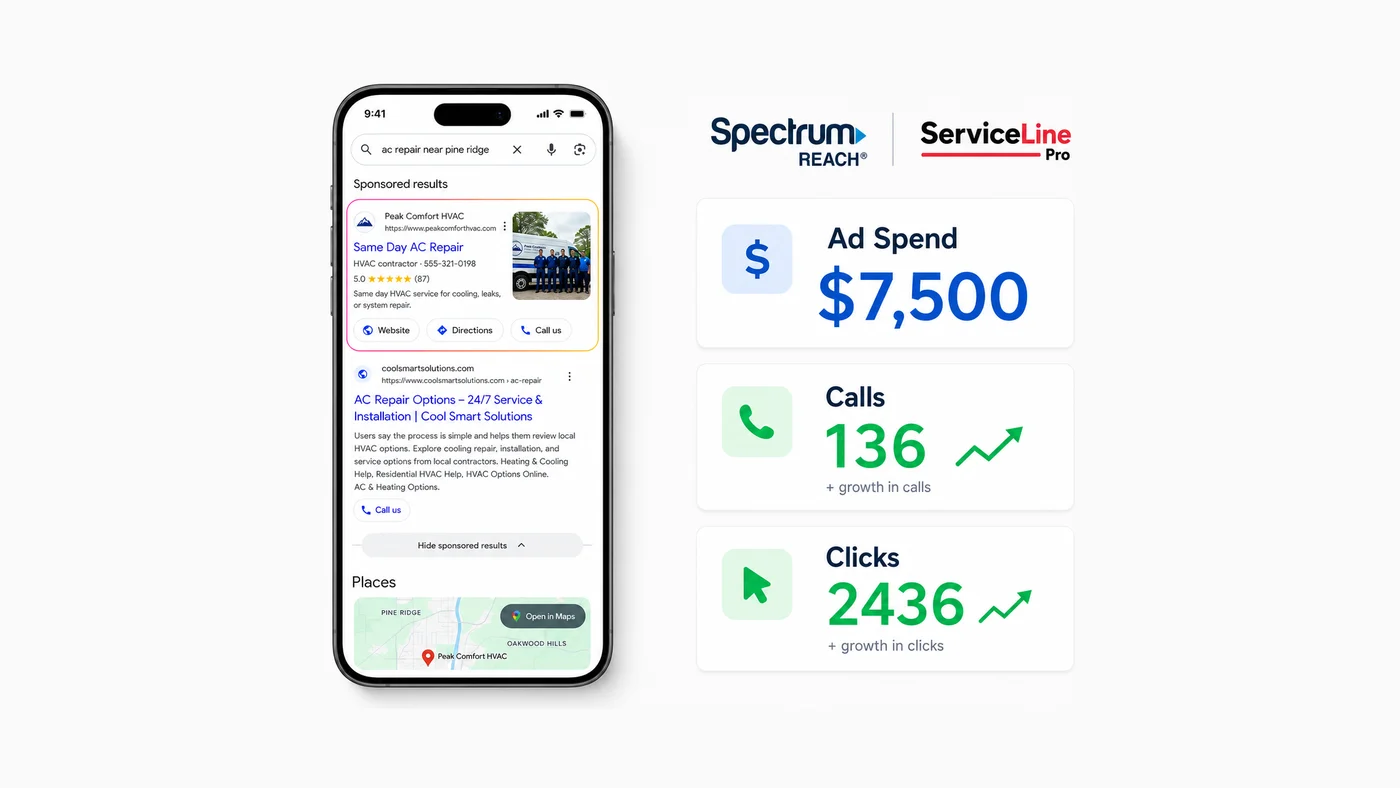
- ·Paid search: campaigns, landing pages, call tracking, weekly search-term work
- ·What is not in scope (social, TV, print) so quotes stay comparable
- ·Itemized monthly price. Custom "we'll get you a number on a call" is a red flag if you asked for published or scoped pricing.
Commercial terms
- ·Who else they serve in your metro and trade. Exclusivity in writing.
- ·Asset ownership: domain, site files, GBP, Google Ads, call tracking, analytics
- ·Term: month-to-month after onboarding vs 12-month lock
- ·Reporting: tracked calls, qualified rate, cost per booked job, Map Pack grid. Traffic in an appendix.
Questions to paste into the RFP
- 01 Itemized monthly deliverables for SEO and for ads, separately.
- 02 Geogrid Map Pack reporting: how many points, how often, which keywords.
- 03 Call tracking: who owns the numbers, where recordings live, how qualified is defined.
- 04 Named contractors you currently serve in our metro and trade.
- 05 Exit: we keep domain, site, GBP, ads, analytics. Confirm in one sentence.
- 06 If Top-3 Map Pack is missed at day 90, you keep working. Confirm. Do not offer a ranking promise.
How to score proposals
Score the same five columns for every vendor: price transparency, ownership, exclusivity, measurement, and whether they talk like they have run your trade. Ignore slide design. Call their references in your trade. Ask what happens at 90 days if Map Pack is not Top-3. The right answer is we keep working. The wrong answer is a ranking guarantee.
"A marketing RFP for service businesses should force agencies to bid on the same outcomes: Map Pack, tracked calls, ownership, exclusivity, and cost per booked job."
ServiceLine Pro publishes pricing so an RFP is optional: SEO $3,000 per month, Google Ads at $0 agency fee, websites $2,500 or $250 per month for 12 months. The $1,000 Growth Audit is a seven-layer diagnostic in 72 hours, credited toward work, refunded if we fail to find $100,000 in missed revenue. Use it as the baseline before you send the RFP. Or book a strategy call at (813) 669-7572.
Frequently Asked Questions
Do I need a formal RFP to hire a marketing agency?
If you are comparing three or more vendors, yes. A one-pager with outcomes, zips, ownership, and exclusivity is enough. A 40-page procurement packet slows good specialists and attracts proposal mills.
What is the most important question in a marketing RFP?
What we both look at in 90 days, in a number tied to booked jobs or Map Pack positions, plus who owns the assets if we leave.
Should I ask for a ranking guarantee?
No. Ask for a 90-day Top-3 Map Pack target and written language that work continues if the target is missed. Guarantees are either fake or they chase junk keywords.
Get a real diagnosis of your business.
A seven-layer review of your SEO, Google Ads, website, and Map Pack presence, delivered as a written report within 72 hours. It's $1,000 and it always credits toward any work you do with us. If we don't find $100,000 in missed revenue, we refund it.
Get the Growth Audit