





A step-by-step SEO strategy keeps owners from starting with a blog calendar while the Google Business Profile still has the wrong category. Do the work in order. This sequence is national. It fits roofing, HVAC, plumbing, electrical, pools, kitchens, and GCs. Florida-specific packing of these steps lives in the contractor guide.
Step 1: Assess the foundation
Search your main service plus city on a phone that is not logged into your account. Screenshot the Map Pack and the URL Google shows for you. Note duplicates, wrong hours, and whether the site loads on LTE. Export Search Console if you have it. This is the baseline. Without it, later steps have no before picture.
Step 2: Google Business Profile
Primary category, services, area, hours, photos, messaging. Kill keyword-stuffed names. Uproot duplicate listings. This step is first because the pack does not wait for your blog.
Step 3: Website elements that search uses
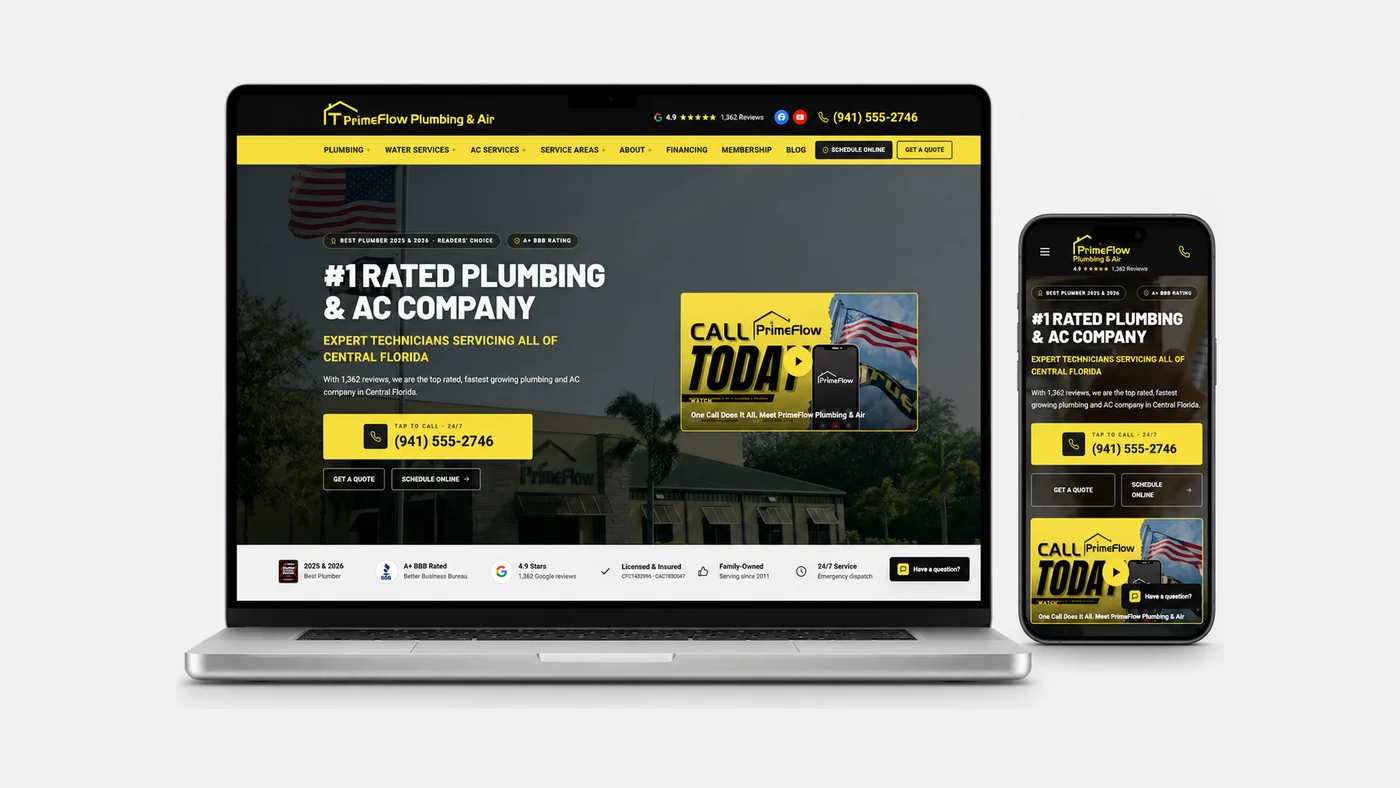
Title tags and H1s that name the service and city where it is true. Unique service pages. Click-to-call. Schema. Load under two seconds. Performance websites if the CMS cannot get there: $2,500 once or $250 per month for 12 months, live in 30 days.
"A sequential SEO plan for service owners: audit, Google Business Profile, pages, citations, reviews, then links. 90-day Map Pack target, no ranking guarantee."
Step 4: Citations
NAP match on the major directories and Apple Business Connect. Do not buy Apple Maps ads. Do not confuse a 200-directory blast with this step. Accuracy on the sources Google already trusts beats volume.
Step 5: Reviews
System, not hope. Ask at job close. Follow up by text. Reply. Why reviews move local SEO.
Step 6: Content that supports remaining gaps
City pages you can defend. Seasonal pages if the trade has a season. Project pages with photos. Skip this until steps 2 to 5 are in motion or you will publish into a broken listing.
Step 7: Links
Suppliers, manufacturers, local news, associations. Extra Link Building is +$1,500 per month on an active SEO campaign when the market is heavy.
Step 8: Track and refine
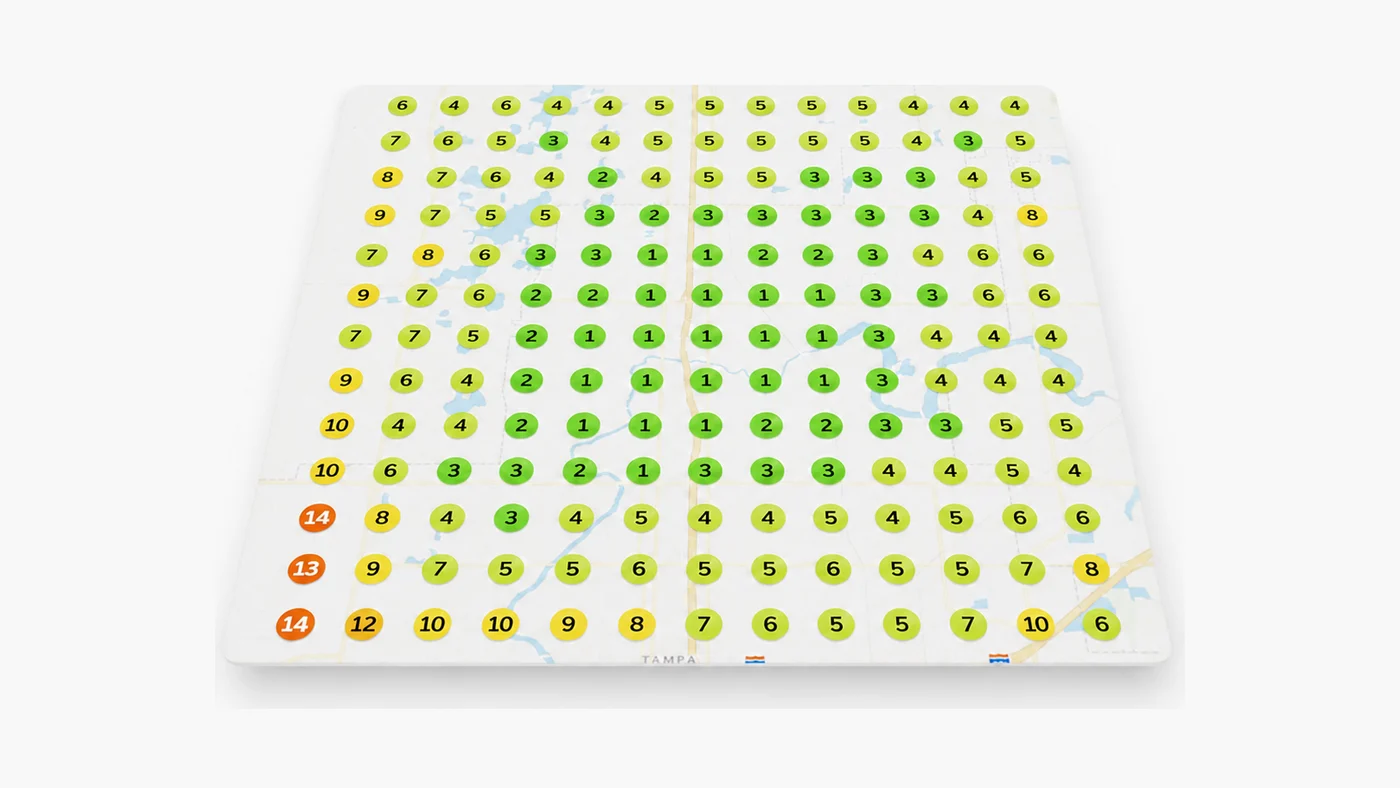
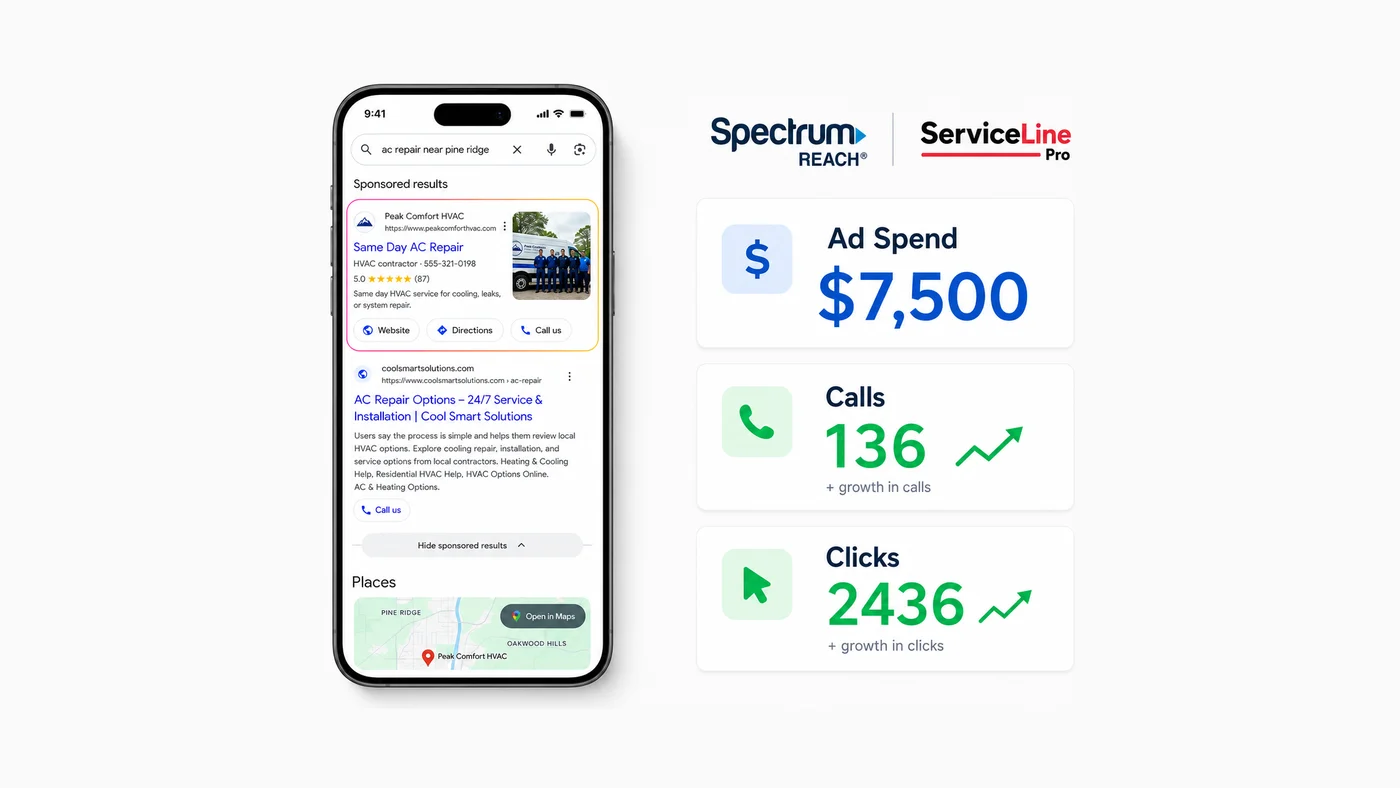
Geogrid for the pack. Calls and booked jobs. Feed converting paid keywords into pages. Keep Google Ads on if you need volume during the climb ($0 agency fee at typical $5,000 monthly spend in competitive metros).
- 01 Week 1: baseline searches, GBP, tracking.
- 02 Weeks 2 to 4: pages, citations, review ask live.
- 03 Month 2: city pages, photo cadence, first real links.
- 04 Month 3: geogrid review, close remaining gaps, decide on AI SEO add-on.
SEO at $3,000 per month follows this order with a 90-day Top-3 Map Pack target. If we miss it, we keep working. AI SEO at +$1,500 only after the campaign is active.
The $1,000 Growth Audit is step 1 done for you in 72 hours. Book a strategy call at (813) 669-7572.
Staffing the sequence
Step 2 (GBP) and step 5 (reviews) need the office. Step 3 (site) needs a developer or a rebuild. Step 7 (links) needs outreach. If one person tries to do all eight after hours, steps 6 and 7 slip and the pack stalls. Hire or retain for the steps you will not do.
What to do if you are already on step 6 and nothing moves
Go back to step 1. Most stalled blogs sit on a listing with the wrong category, a duplicate, or zero reviews this month. Content cannot outrun those. Check the geogrid. If you are invisible two miles from the pin, you have a proximity and prominence problem, not a missing article.
Keep ads on during a stall if you need jobs. Pausing spend because SEO is frustrating is how the calendar empties while you debug.
Frequently Asked Questions
Can I skip steps if I already have reviews?
Skip nothing that is still broken. Strong reviews on a duplicate listing still fail. Use the baseline to see.
How long is each step?
GBP and tracking are days. Pages may take a few weeks. Links and pack movement continue after month three.
Where do ads fit in this sequence?
Beside it, from week 1, if you need jobs. Ads are not a step inside SEO. They rent the query while you earn it.
Is this different from a content strategy?
Content is step 6. Strategy is the whole sequence.
Get a real diagnosis of your business.
A seven-layer review of your SEO, Google Ads, website, and Map Pack presence, delivered as a written report within 72 hours. It's $1,000 and it always credits toward any work you do with us. If we don't find $100,000 in missed revenue, we refund it.
Get the Growth Audit