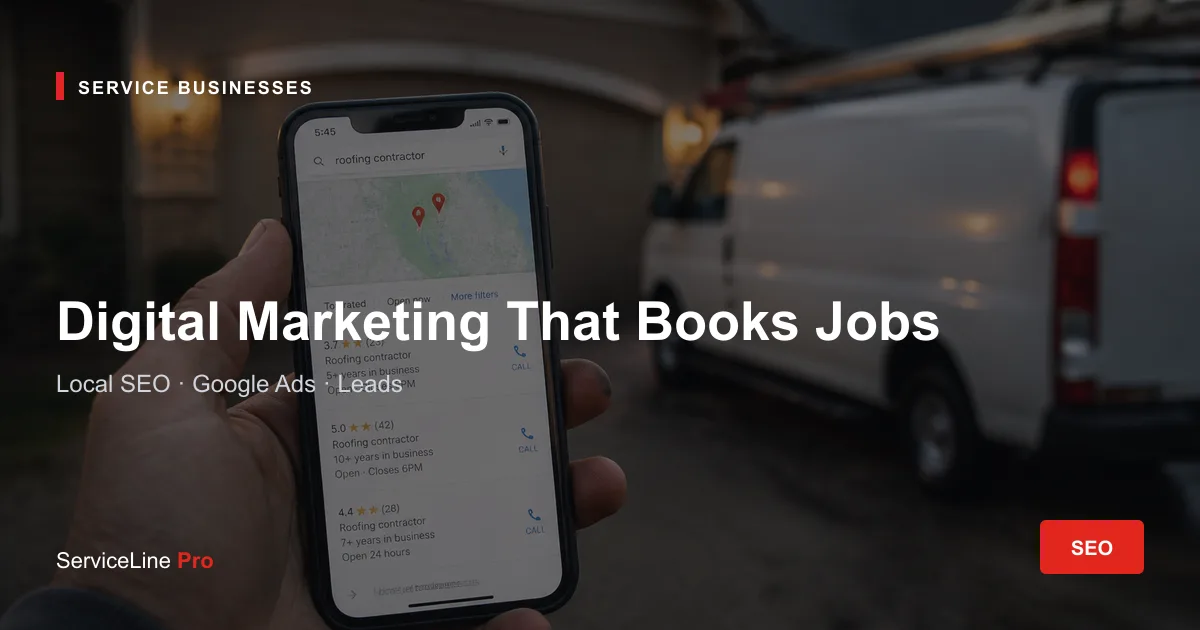



Google Ads is an auction that runs when someone searches. You write an ad, pick who can see it, and set a budget. Google decides whether you show, in what order, and what you pay, using your bid and quality signals. For a Florida contractor, that auction is how you buy a call this week while SEO is still climbing.
This post explains the machine. Bidding strategy choices are in the bidding guide. Launch steps are in the Google Ads checklist.
The path from search to charge
- 01 A person searches something Google classifies as eligible for ads.
- 02 Advertisers who bid on matching keywords and pass geo, schedule, and policy filters enter the auction.
- 03 Ad Rank orders the ads. Higher rank can show above others.
- 04 If someone clicks, you typically pay less than your max bid, based on the auction.
- 05 If they call from a call asset or convert on the page, that is a conversion only if you set it up.
You do not pay for impressions on Search the way you do on some display products. You pay for clicks, unless you are on a different Google product like LSAs, which bill per lead.
Keywords are filters, not magic words
Exact match is closest to the phrase. Phrase match allows extra words around it. Broad match lets Google interpret intent. Broad without a clean conversion signal and a weekly terms review is how Florida accounts buy clicks for DIY, jobs, and the wrong county.
"How Google Ads work for Florida contractors: the auction, Quality Score, keywords, and what you pay. A mechanics guide, not a bidding-strategy clone."
Match the keyword to a landing page about that job. Roof replacement ads should not land on a four-service homepage. Quality Score and conversion both suffer.
Quality Score and landing pages
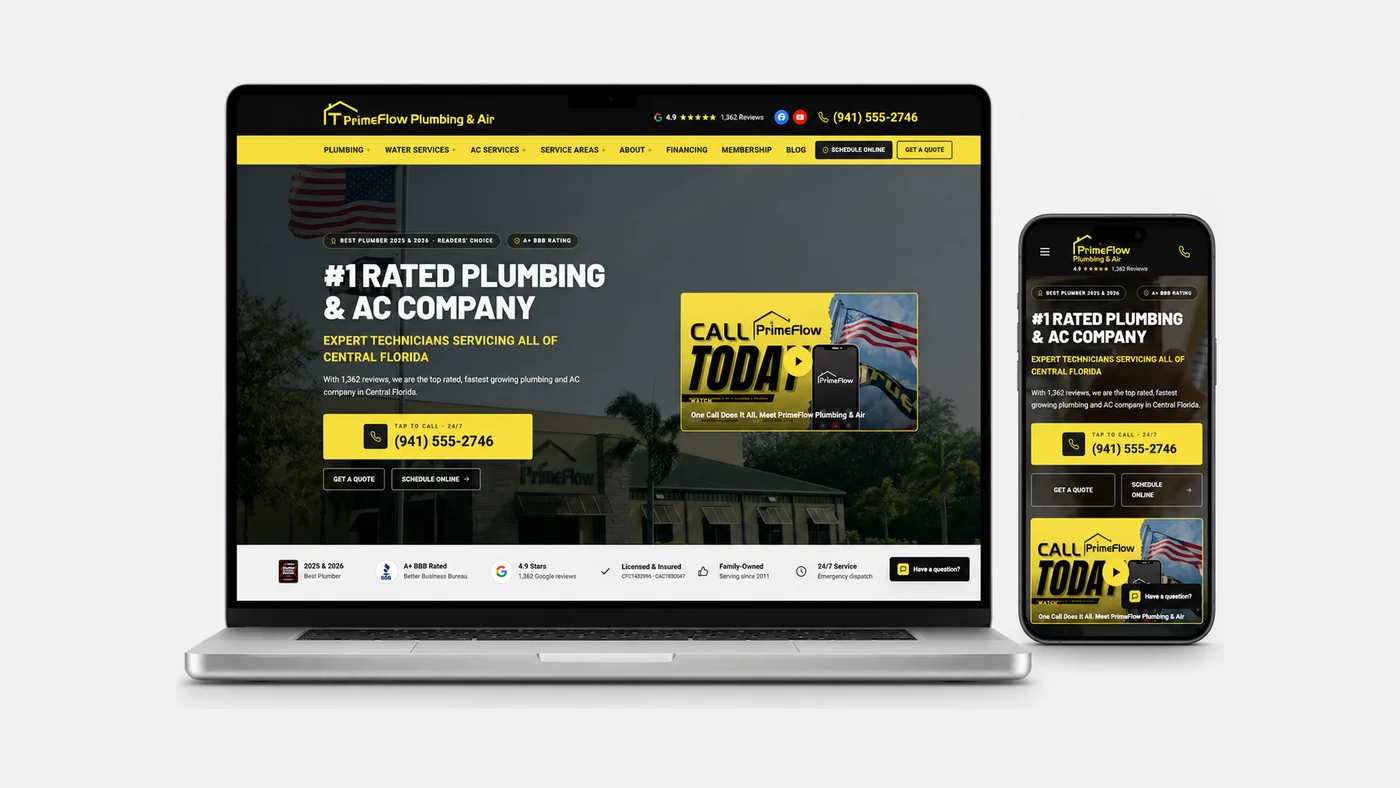
Quality Score (1 to 10) estimates expected click-through, ad relevance, and landing page experience. It is a diagnostic, not a vanity trophy. A two-second-or-better page with the phone number visible, written about the search, helps. Page-builder bloat on LTE hurts. We build sites that load in under two seconds for that reason, among others.
Location, schedule, and devices
Target presence in the cities or radius you serve. Interest-in-location will show ads to people planning a vacation in Orlando who do not need your pool builder. Schedules should match answering capacity. Most clicks are mobile. If the number is in a header image and not a tap target, you will pay for curiosity taps that never call.
Ad assets (extensions)
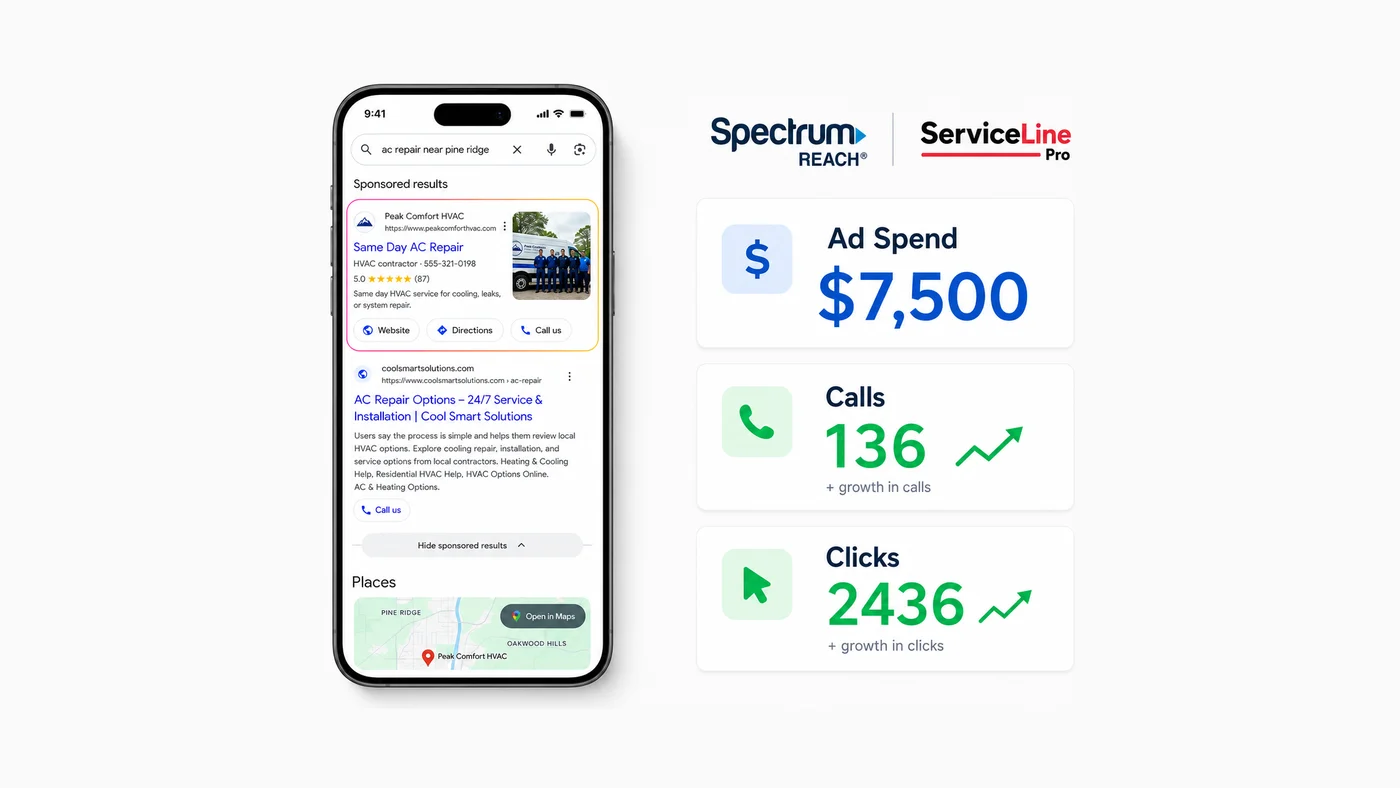
Sitelinks, callouts, structured snippets, call, and location assets give Google more to show and give the user more ways to act. They are not optional decoration. A call asset with a tracked number is how many HVAC accounts attribute ads at all.
Budgets and Florida CPCs
You set a daily budget. Google may spend more on some days. In competitive metros, around $5,000 per month is a typical working budget so you see enough auctions to learn. Emergency plumbing and storm roofing clicks cost more than a planned cabinet install. Google Ads management is $0 agency fee at qualifying spend through Spectrum, so that $5,000 buys media. Leads often show inside seven days if the page and phone work.
What Google Ads will not do
They will not answer the phone. They will not make a bad close rate good. They will not replace SEO if you want to own the Map Pack ($3,000 per month, 90-day Top-3 target). They will not run on Apple Maps. Keep Apple Business Connect as a listing only.
How owners should read the first report
- ·Spend vs budget.
- ·Clicks and cost per click, only as context.
- ·Calls and forms, then booked jobs.
- ·Search terms, not only keyword names.
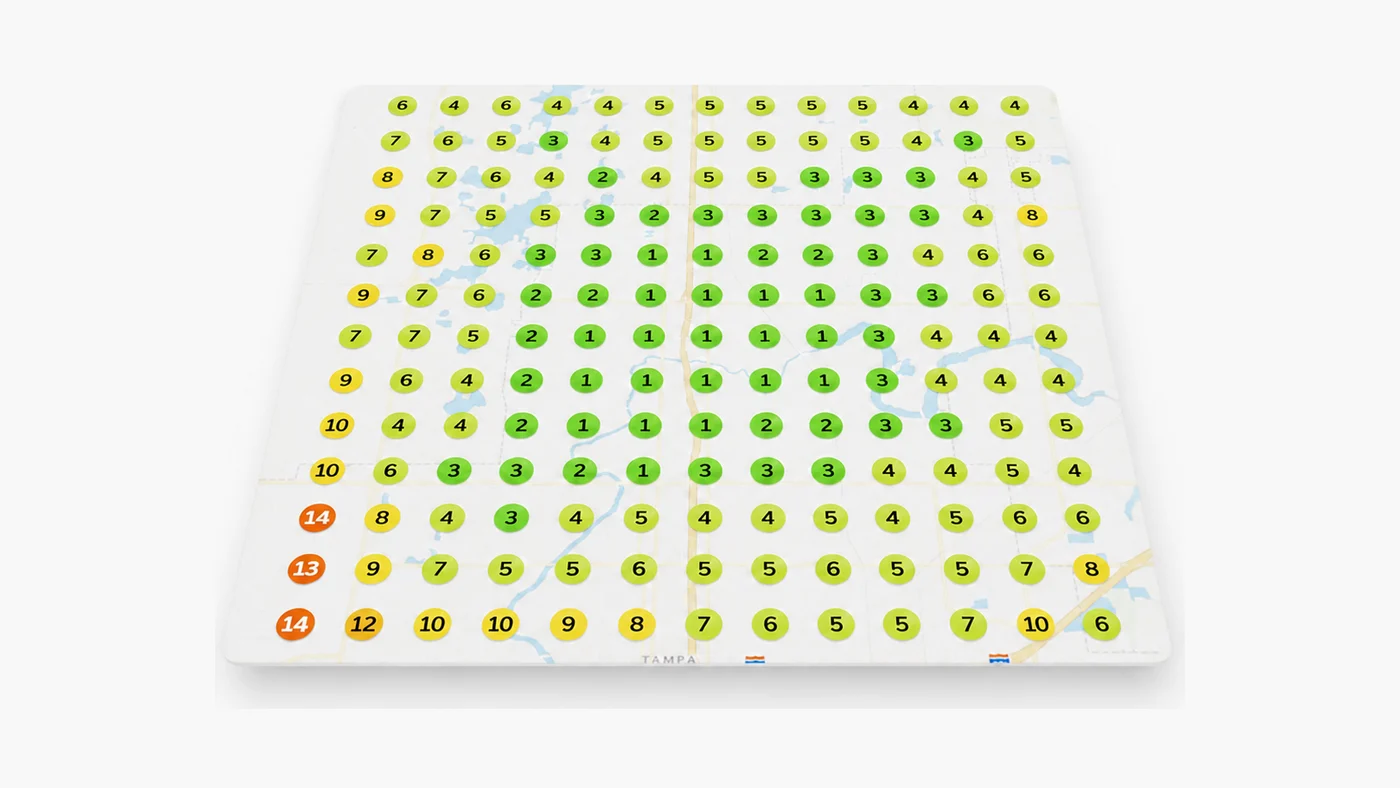
- ·Geo: which cities spent vs which booked.
If the report stops at clicks, ask for the rest. The $1,000 Growth Audit will say whether tracking even exists. Book a strategy call at (813) 669-7572.
Account structure in one paragraph
Account holds billing. Campaigns hold budget, geo, and schedule. Ad groups hold keywords and ads for one job. Ads point at one landing page. If you put every service in one ad group, Google cannot match well and you cannot read reports. Florida multi-metro companies usually split metros once each metro has enough spend to learn.
Policy and disapprovals contractors hit
Unsubstantiated claims, trademarked competitor names, and call-only setups that break policy. License claims must be true. If an ad is disapproved, fix the policy issue. Do not keep cloning the ad. Search ads also do not cover every trade the same way LSAs do. If your vertical is limited, that is a product constraint, not a bidding error.
Billing is in arrears on a credit card or invoicing setup. Watch the payment profile. An ads account that pauses for a failed card on a Friday in July is a self-inflicted outage.
Frequently Asked Questions
Do I pay when someone sees the ad?
On Search, you generally pay when they click (or for some call billing setups, when they call). You do not pay for every impression.
Why did my ad not show for my own search?
Budget, rank, geo, schedule, or you searched outside the target. Also check whether you have a brand campaign and whether you excluded your IP.
Is Display the same as Search?
Display buys placements on sites and apps, often cheaper and less intent. For booked service jobs, start with Search.
How is this different from SEO?
Ads rent the slot. SEO earns Map Pack and organic. Run ads for speed. Run SEO so you are not renting forever.
Get a real diagnosis of your business.
A seven-layer review of your SEO, Google Ads, website, and Map Pack presence, delivered as a written report within 72 hours. It's $1,000 and it always credits toward any work you do with us. If we don't find $100,000 in missed revenue, we refund it.
Get the Growth Audit