




Some weeks the phone blows up. Other weeks you wait while Angi or HomeAdvisor sends the same homeowner to three other contractors. You do not control that flow. You rent it.
Local SEO for contractors turns Google into exclusive calls from people in your service area who already want HVAC repair, a remodel, a panel upgrade, a roof, or emergency service. It is a sales system. Step-by-step on-page work is in SEO strategy for contractors. Why SEO belongs in the growth plan is in the role of SEO in contractor growth. This post is the Map Pack foundation.
Own the moment they search
A contractor between roughly $1M and $10M does not need random traffic. They need booked jobs, cleaner routing, better job mix, and a calendar that is not one referral partner away from empty. The business in the Map Pack and on city-specific service pages gets first shot at the highest-intent searches.
Think with Google: 76% of nearby smartphone searches lead to a visit within 24 hours. BrightLocal and similar local-SEO roundups have put Map Pack click share in the low-to-mid forties. Local intent is a large share of Google. For trades, that means the map is prime territory, not optional.
"The contractor who owns local search stops buying panic leads at the worst margin."
"The contractor who owns local search stops buying panic leads at the worst margin."
Read why local SEO matters and how to rank in Google Maps for the mechanics. Do not treat this as a blogging hobby. Treat it as market control.
Google Business Profile, complete and active
Wrong primary category, missing services, old hours, few photos, no posts, no review replies. Google reads inactivity. Owners read risk.
- ·Real business name. No city stuffing.
- ·Primary category matched to the main revenue driver. Emergency plumber is not “general contractor.”
- ·Secondary categories you actually offer.
- ·Service list built out, not two vague lines.
- ·Service areas you can staff. Do not claim a giant radius.
- ·Hours current, including emergency if you sell it.
- ·Description that names services and cities in plain language.
Photos from real jobs
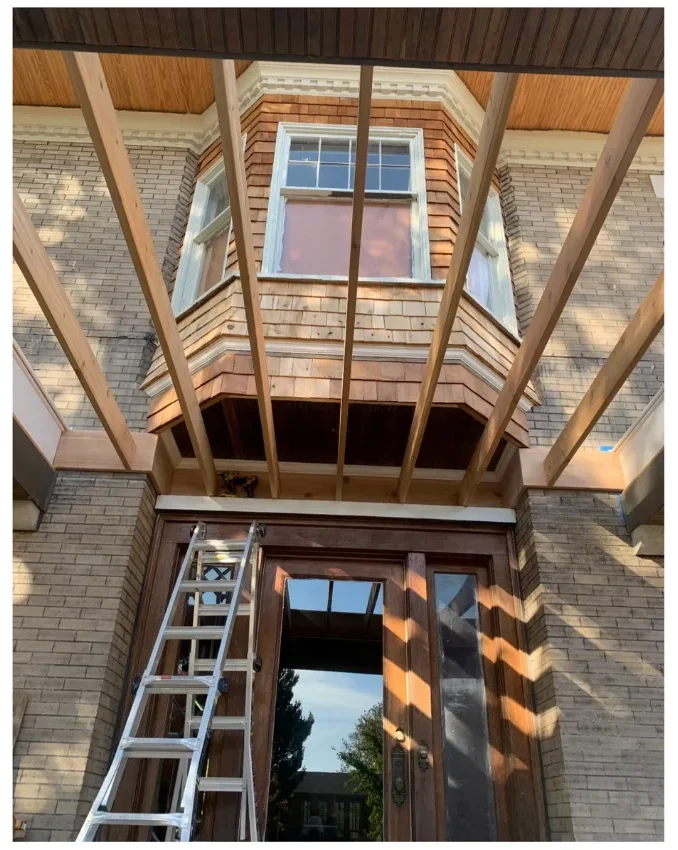
Logo plus one truck shot is not enough. Upload crew, before and after, interiors, and completed projects from different service areas. Keep adding. Dumping 80 photos once then going silent looks like a closed shop.
Posts for current offers, seasonal demand, and finished jobs. GCs should show kitchens, baths, and additions. Trades should show the actual repair or install.
Pages, citations, reviews
One page per service you sell. City pages for markets you want. Project photos beat stock. NAP identical on Yelp, BBB, Apple Maps (listing), Bing, Angi, chamber. Ask for Google reviews after completed work. Velocity beats a one-time blast.
Site load under two seconds. 30-day websites, $2,500 or $250/mo × 12. SEO $3,000/mo, 90-day Top-3 Map Pack target. If missed, we keep working. AI SEO and Extra Link Building +$1,500/mo each with active SEO.
Paid layer while organic matures: Google Ads $0 fee, around $5,000/mo typical. Industry page for GCs: general contractor marketing.
Growth Audit includes a GBP grid diagnosis. Strategy call at (813) 669-7572.
Frequently Asked Questions
How long until contractor local SEO hits the Map Pack?
We target Top-3 in 90 days. That is a target, not a guarantee. Categories, reviews, and proximity move first.
Should a GC and a plumber use the same local SEO playbook?
Same assets: profile, citations, pages, reviews. Different categories, photos, and keywords. Do not run one profile for mixed trades unless that is the legal entity and Google’s categories fit.
Do shared lead sites help local SEO?
They can create citations. They also sell the same lead to competitors. Build Google as the exclusive channel. Use marketplaces as overflow only.
Get a real diagnosis of your business.
A seven-layer review of your SEO, Google Ads, website, and Map Pack presence, delivered as a written report within 72 hours. It's $1,000 and it always credits toward any work you do with us. If we don't find $100,000 in missed revenue, we refund it.
Get the Growth Audit