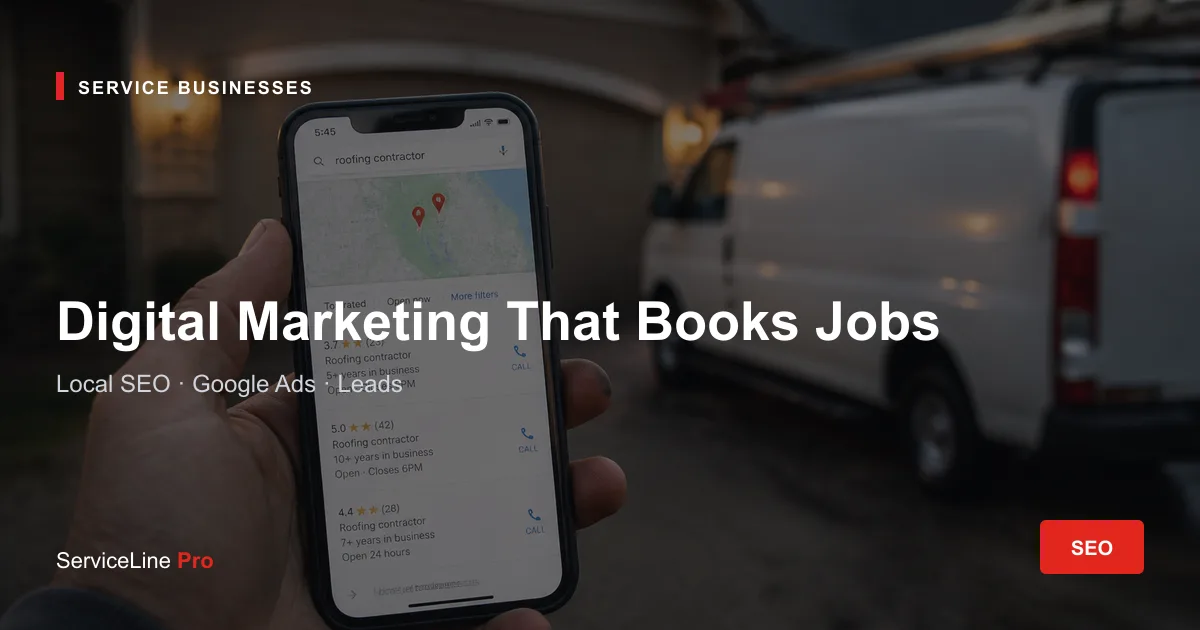



Agency proposals bury owners in acronyms. This glossary is the decoding layer so you can tell a Map Pack target from a ranking guarantee, and a qualified call from a raw lead. Keep it nearby when you read a contract.
Search and listings
Google Business Profile (GBP)
The listing that feeds Google Maps and the local pack. Formerly called Google My Business. Hours, category, photos, reviews, and posts live here.
Map Pack
The three-business map box on local searches. Most service calls come from here, not from page-four organic. Ranking in Google Maps explains the levers.
Local SEO
The work that earns Map Pack and local organic: GBP, citations, reviews, service pages, links. ServiceLine Pro sells this as SEO campaigns at $3,000 per month with a 90-day Top-3 Map Pack target, not a public one-time setup product.
"Plain definitions of local SEO, Map Pack, LSA, PPC, PPQL, GBP, and related terms service owners hear on sales calls. Use them to read a proposal."
Citations
Name, address, and phone mentions on other sites. Consistency matters. Apple Business Connect is the Apple Maps listing. Apple Maps Ads are retired.
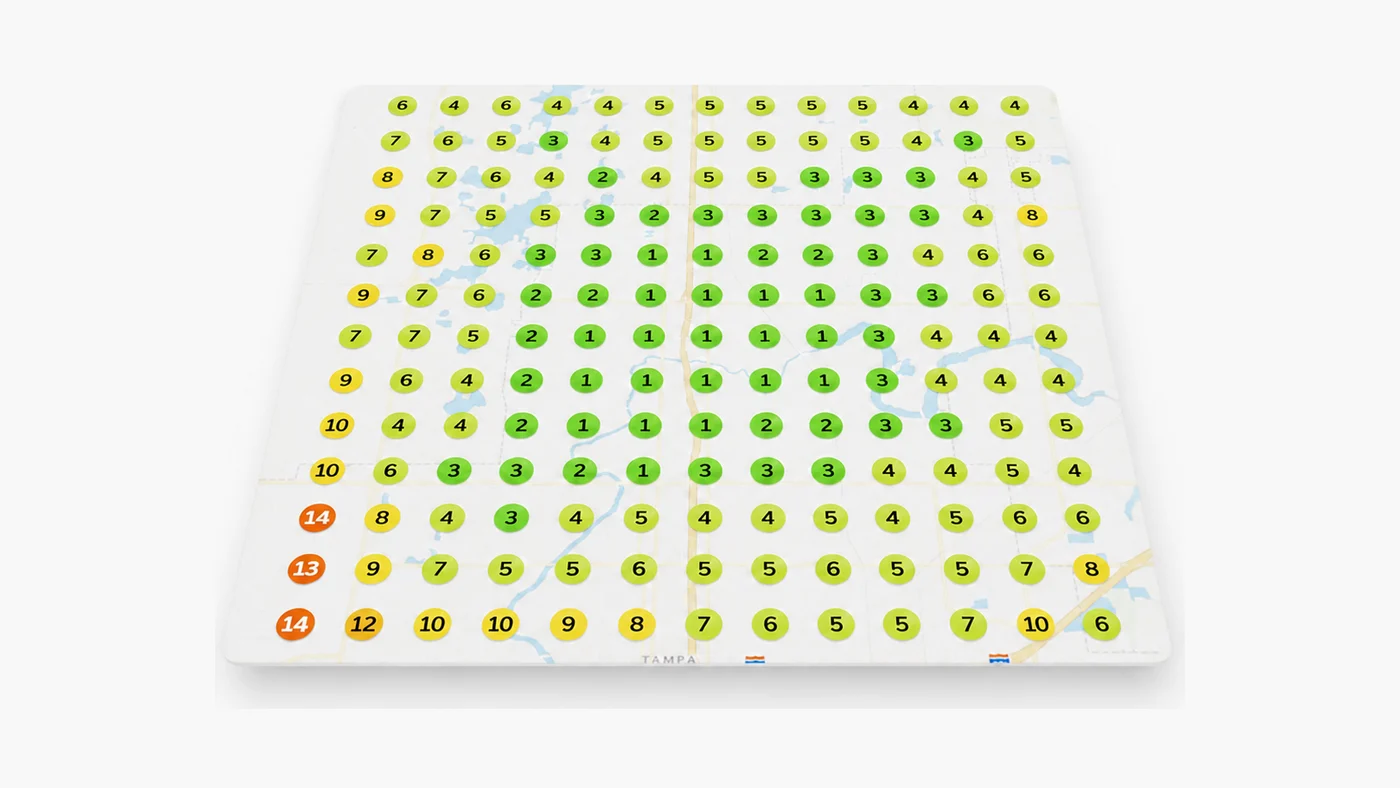
Geogrid
Rank tracking from many points on a map. Required in Florida metros because pack rank changes by neighborhood.
AI SEO / GEO
Work aimed at ChatGPT, Perplexity, Gemini, and AI Overviews. AI SEO is +$1,500 per month and only with active SEO.
Paid media
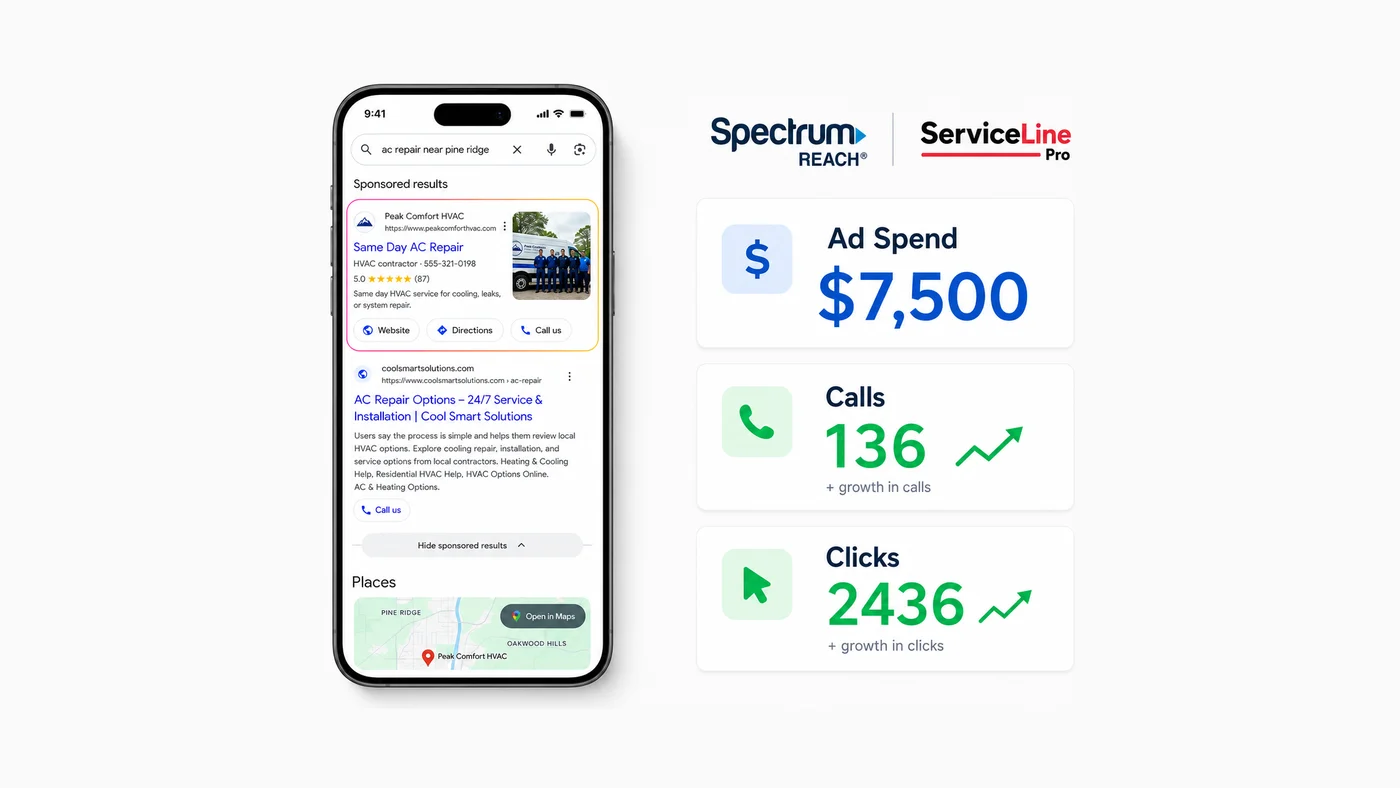
PPC (pay per click)
You pay when someone clicks. Google Search ads are the usual version for trades. PPC advertising at ServiceLine Pro is $0 agency fee on typical $5,000 monthly spend in a competitive metro, paid via a Spectrum partnership.
LSA (Local Services Ads)
Google's lead product with a Guaranteed or Screened badge. You pay per lead, not per click. Reviews and response time matter. Details: Google Local Services Ads in Florida.
PPQL (Pay Per Qualified Lead)
You pay for calls that meet a definition: decision maker, business hours, real interest, contact captured. $1,000 deposit credited toward those calls.
CPA, CPL, CPC
Cost per acquisition (booked job if you track it), cost per lead, cost per click. Owners should push reports to booked job, not stop at CPL.
Quality Score
Google's 1 to 10 estimate of ad, keyword, and landing page relevance. It affects cost. A slow page hurts it.
OTT / CTV
Ads on streaming TV apps. Branding. Typical spend from about $5,000 per month. OTT/CTV does not make the phone ring from the spot.
ChatGPT Ads
Sponsored placements in ChatGPT. Sold at $1,500 setup plus $500 per month, plus ChatGPT's media bill. Not a ranking package.
Tracking and sales
Call tracking
Unique numbers that show which ad, page, or listing produced the call. Without it, every channel claims the job. See call tracking.
Conversion
The action you told Google to value: call, form, chat. A conversion is not automatically a booked job.
Speed to lead
How fast you answer. Marketing cannot fix a two-hour callback on an emergency query.
Website
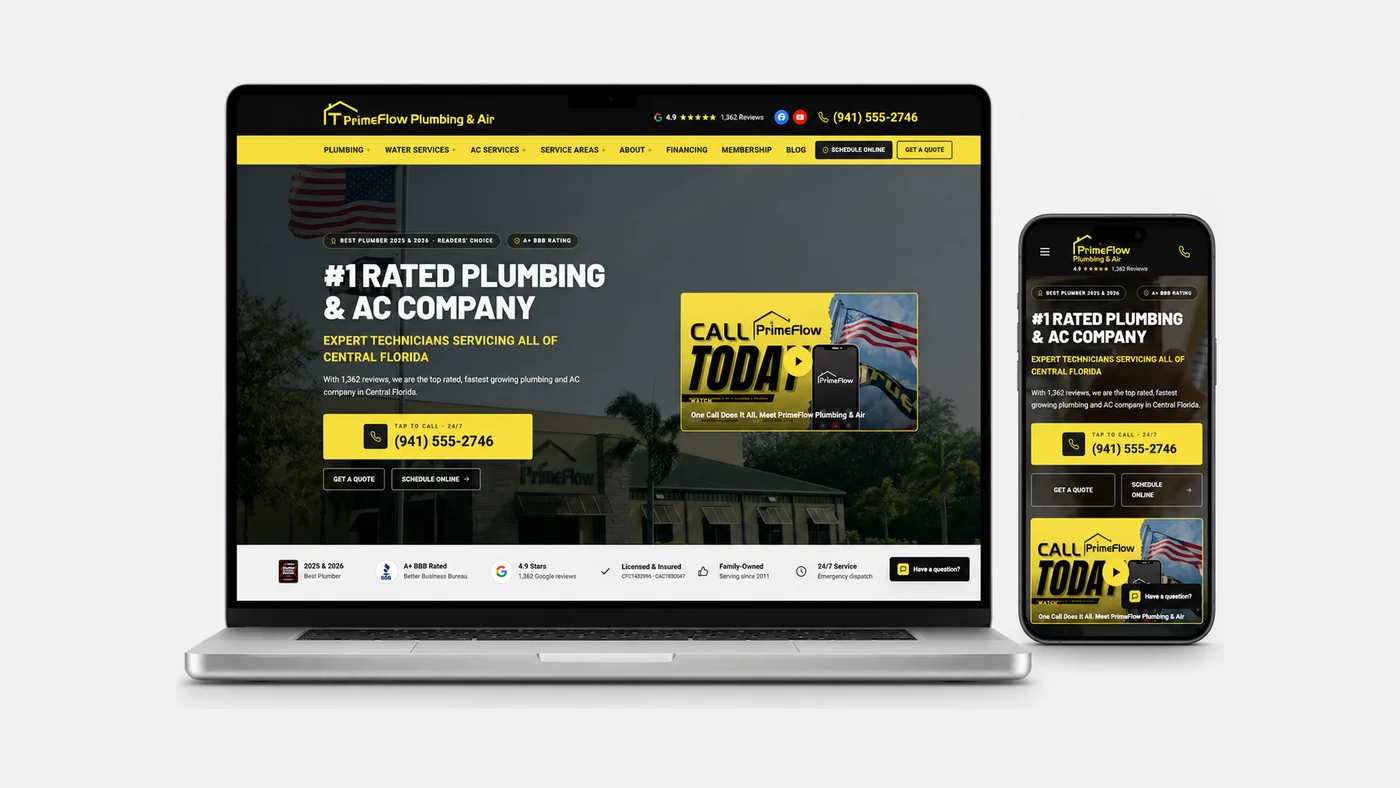
Landing page
The URL the ad or search result opens. For ads, it should match the service. Load under two seconds. Websites : $2,500 once or $250 per month for 12 months, live in 30 days.
Schema
Structured data on the page so Google understands the business, services, and reviews.
When a proposal still reads like another language, book a strategy call at (813) 669-7572 or start with the $1,000 Growth Audit.
Proposal phrases to get in writing
- ·Top-3 Map Pack target vs ranking guarantee, and what happens if the target is missed.
- ·Who owns the website, GBP, ads account, and call-tracking numbers on exit.
- ·Whether extra link building or AI SEO is included or an add-on.
- ·Agency fee on ad spend, or $0 fee at a named monthly media minimum.
- ·Definition of a qualified lead if you are buying PPQL or a lead vendor.
Offline terms that still show up
Direct mail still exists. If you mail, use a tracked number and a vanity URL so it can sit on the same scoreboard as Google. Call tracking is how you stop arguing whether the mailer or the ad produced the job. Yard signs and truck wraps are brand. They belong in the branding conversation, not in a PPC line item.
Impression, CTR, and Quality Score are diagnostics. Put them below booked jobs on any report you will actually read.
Frequently Asked Questions
Is SEO the same as PPC?
SEO earns listings over time. PPC rents clicks now. Most growing contractors use both.
What does NAP mean?
Name, address, phone. Those three should match across citations.
What is a qualified lead?
In PPQL, a decision maker in your area, during business hours, with real interest and a captured contact. Other vendors define it loosely. Get the definition in writing.
Should I worry about Yelp Ads or digital billboards?
Yelp is useful as a review and citation listing. Billboards and Yelp ads are not the lead offer to start with. Search, LSAs, SEO, and answered phones come first.
Get a real diagnosis of your business.
A seven-layer review of your SEO, Google Ads, website, and Map Pack presence, delivered as a written report within 72 hours. It's $1,000 and it always credits toward any work you do with us. If we don't find $100,000 in missed revenue, we refund it.
Get the Growth Audit