





You open Google Business Profile and the count is lower than yesterday. For a GC, pool builder, roofer, or HVAC shop, that is a revenue problem. Prospects compare two or three listings, then call the one that looks busier and more trusted.
Do not blast the same customers again. Do not file a support ticket until you know what disappeared. Most missing Google reviews fall into a few buckets, and each one has a different fix.
Confirm the reviews are actually gone
Google shows different counts in different places. Check all of them before you assume a penalty.
- 01 Open your profile as a customer in an incognito window. Note the star average and the review total.
- 02 Open the same profile in Google Maps on your phone. Maps and Search can lag each other by a day or two.
- 03 In the Business Profile manager, open Reviews and sort by newest. Look for reviews that used to exist and are now missing.
- 04 Search your email or CRM for the customers you asked last week. See which names still appear on the public listing.
If the review is in the manager but not on the public page, it is filtered. If it is gone from both, the reviewer account may have been removed, or Google deleted it. If it never showed anywhere, it may still be pending.
"Treat review count swings as an operations risk. Track weekly velocity the same way you track callbacks."
Why legitimate reviews disappear
Google scores patterns, not your job quality. A real customer can still write a review that the filter treats as manufactured.
Request bursts
You wrap a storm week, text 40 customers on Friday, and 12 five-star reviews land over the weekend. That is normal operations. To the filter it looks like a campaign. Spread asks across the week. One job, one ask, the day you finish.
Copy that all sounds the same
If your text says "Please mention our fast service and friendly techs," you will get that sentence twelve times. Google reads the repetition. Ask for the job details instead: what you did, which neighborhood, which tech. A review that names a water heater swap in Overland Park is harder to dismiss than "Great company!!!"
Thin reviewer accounts
A Google account with no photos, no Maps history, and one review is easier to filter. You cannot control that. You can stop coaching people to create a brand-new account just to review you. Use the official review link from the profile. Let the customer sign in with the Google account they already have.
The reviewer deleted the account
When a Google account is closed, its reviews go with it. There is no appeal. Log the name, the date, and the job in your CRM so you know it was real, then replace the volume with new work.
What to do in the first 48 hours
- 01 Screenshot the public profile and the manager view. Date the files.
- 02 Stop any automated review blast until the count stabilizes.
- 03 If a specific review vanished and you still have the customer, do not ask them to post the same paragraph again. Wait 30 days, then ask once, in your own words, for a new note about the job.
- 04 Reply to every remaining review this week. Public replies show the listing is staffed.
- 05 Check why the profile might not be showing if Map Pack visibility dropped with the count. Review loss and listing issues often show up together.
When a support ticket is worth it
File a ticket only when you can prove a named review existed and now does not, and you have a screenshot. Use the Business Profile help form inside the manager. Include the reviewer name, approximate date, and the job. Vague tickets ("we lost 15 reviews") go nowhere.
Expect a slow answer. Plan the business as if those reviews are gone. Recovery, when it happens, is extra.
Rebuild a request process that stays live
Volume still matters for local rankings. The process has to look like real customers talking about real jobs.
- ·Ask on site the day the job is done, then text the direct Google review link within an hour.
- ·Skip scripts. "If the work was solid, a Google review with what we did helps the next customer" is enough.
- ·Cap asks. If a customer already reviewed you, do not ping them after every tune-up.
- ·Never gate reviews. Sending unhappy people to a private form and happy people to Google breaks Google's policy and can get the listing restricted.
- ·Answer every review. Name the service. Offer a phone number on negatives and take the rest offline.
"Treat review count swings as an operations risk. Track weekly velocity the same way you track callbacks."
If you lost a chunk of five-star reviews after a batch campaign, slow the ask for two weeks and collect job photos instead. Fresh photos and posts keep the profile active while the filter cools down.
Can I pay a service to restore deleted Google reviews?
No. Anyone who promises to restore deleted reviews is selling something Google does not offer. Screenshot proof and a support ticket are the only recovery path, and even those often fail. Build new reviews from finished jobs.
Will missing reviews knock me out of the Map Pack?
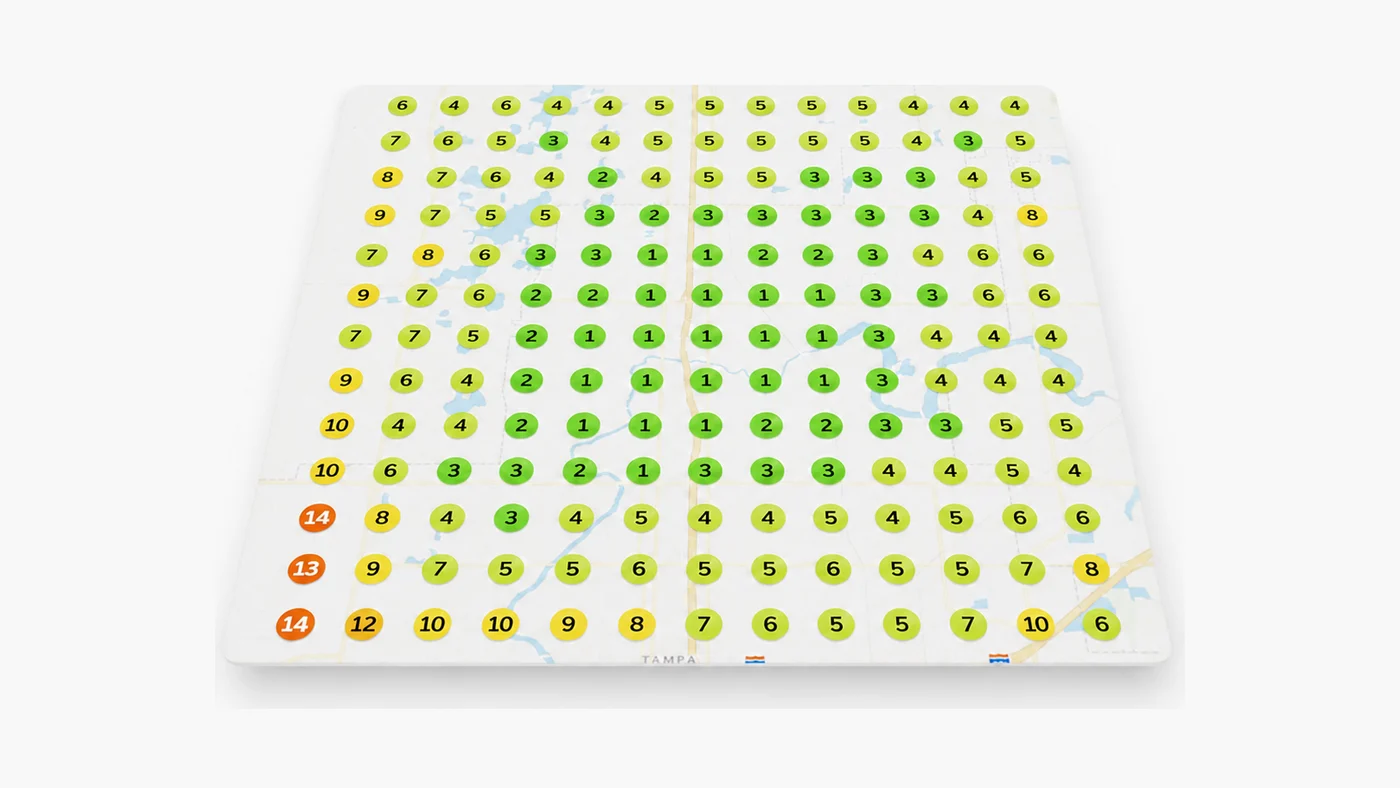
A drop in count, freshness, and average rating can hurt Map Pack click-through even when the pin still shows. Rankings are not guaranteed. Keep the profile complete, keep asking after real jobs, and track the grid in your service area.
Put this into practice
Your Google Business Profile is the listing prospects see before they call. SEO campaigns include review process, GBP work, and geogrid tracking with a 90-day Top-3 Map Pack target. If you want the diagnosis first, the $1,000 Growth Audit covers the listing, the grid, and the review gap. Book a strategy call at (813) 669-7572.
Get a real diagnosis of your business.
A seven-layer review of your SEO, Google Ads, website, and Map Pack presence, delivered as a written report within 72 hours. It's $1,000 and it always credits toward any work you do with us. If we don't find $100,000 in missed revenue, we refund it.
Get the Growth Audit