



A nasty result on page one for your company name feels personal. The first 24 hours still have a job: log what is out there, remove what actually breaks a platform's rules, and stop making it worse with angry public replies.
Google does not take down a result because it is unfair. Google takes down results that violate its policies, or it stops showing them when stronger pages outrank them. Plan for both.
First 24 hours: audit, do not argue
- 01 Search your legal name, DBA, and owner name in an incognito window. Check page one and two.
- 02 Repeat in Google Maps. A one-star Google review is often the real leak, not a blog nobody clicks.
- 03 Log URL, screenshot, date found, and where it lives (GBP, Yelp, Facebook group, BBB, news, forum).
- 04 Tell staff not to post from personal accounts. A fight in a neighborhood group becomes another search result.
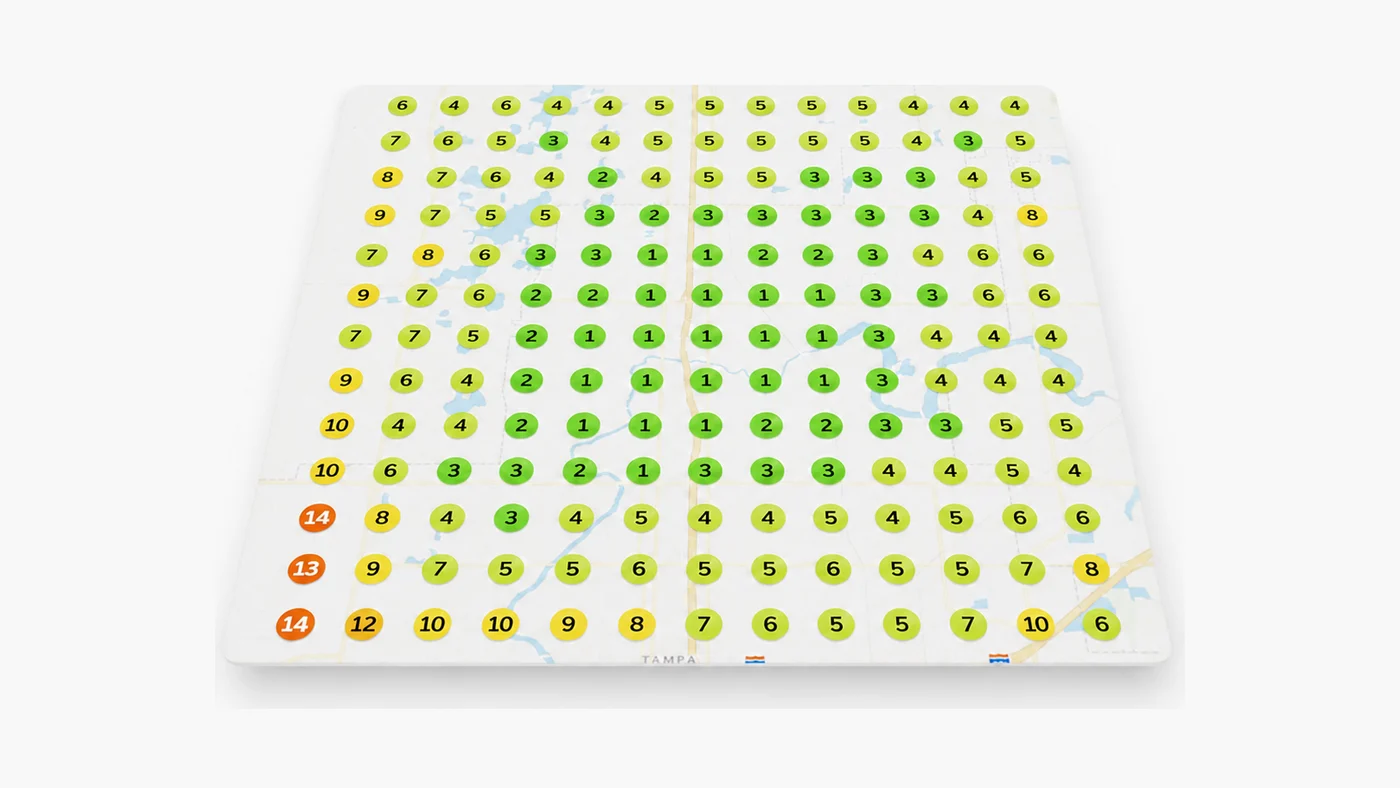
Prioritize by who sees it before they call. Google Business Profile reviews and the Map Pack beat a buried forum thread. A private Facebook comment has a smaller blast radius than a public GBP one-star.
Removals that actually work
Look for policy violations before you think about lawyers or "reputation SEO."
"Takedowns are for policy breaks. Everything else is a ranking problem on your own name."
- ·Google reviews: spam, fake customers, off-topic, personal information, or content posted by someone who was never a customer. Use the flag on the review. See missing Google reviews if your own five-stars are vanishing at the same time.
- ·Yelp and other directories: each site has its own report flow. Citation listings are fine to keep accurate. You do not need to buy their ads to file a report.
- ·Doxxing, threats, impersonation: report to the host and, if needed, to counsel. Do not DIY a legal letter you do not understand.
- ·Your own pages: if an old blog post or job photo is the problem, unpublish it. That is the one result you fully control.
When you cannot remove it, outrank it
Most contractors never get a clean takedown. The durable move is to occupy page one with properties you own or influence.
- 01 Google Business Profile: complete it, post jobs, collect reviews the right way. The knowledge panel and Map Pack eat a lot of branded-search real estate.
- 02 Website: a clear homepage, about page, and service pages on your own domain. Load in under two seconds. That is website work if the current site cannot rank.
- 03 Citations: consistent name, address, phone on major directories so Google is sure which entity is you.
- 04 A simple news or project page when you have something true to publish. Do not write "why we are the best" filler.
- 05 LinkedIn or a Facebook Page that matches the company name, so a third result is you instead of a complaint site.
This is slow. Branded search takes weeks to months to reshuffle. Anyone who promises to "wipe page one in 7 days" is selling panic.
"Takedowns are for policy breaks. Everything else is a ranking problem on your own name."
What not to do
- ·Do not pay for fake five-star reviews to "balance" a one-star. That can restrict the listing.
- ·Do not buy hundreds of spam blog posts with your name. Google ignores them or associates you with junk.
- ·Do not threaten the reviewer. It becomes the next screenshot.
- ·Do not ignore the operational cause. If jobs are sloppy, SEO will not hide it.
SEO campaigns at $3,000 a month target Map Pack visibility (90-day Top-3 is a target, not a guarantee). That work also strengthens branded search over time. It will not erase a third-party article on its own.
Can I remove a negative article from Google Search itself?
Only in narrow cases (legal removals Google honors, such as certain personal information). An ordinary critical article stays until the publisher takes it down or it ranks lower. Ask the publisher first if the facts are wrong. Then build stronger results for your name.
Put this into practice
Start with the $1,000 Growth Audit if you want a written picture of the listing, reviews, and branded results. Book a strategy call at (813) 669-7572.
Get a real diagnosis of your business.
A seven-layer review of your SEO, Google Ads, website, and Map Pack presence, delivered as a written report within 72 hours. It's $1,000 and it always credits toward any work you do with us. If we don't find $100,000 in missed revenue, we refund it.
Get the Growth Audit