



Word-of-mouth built a lot of HVAC shops. It will not fill a replacement calendar by itself when the homeowner with a dead AC is already on Google. If you are not the Map Pack or the ad they tap, you donated the job.
This post is the ROI view of HVAC marketing. Channel lists live in digital marketing for HVAC. Campaign build lives in the HVAC Google Ads guide. Here the job is measurement: which dollars produce booked jobs, and how to stop judging the mix on cheap leads.
What HVAC digital marketing actually is
It is a connected system, not a pile of vendors:
- ·Local SEO and Google Business Profile for Map Pack and “near me” repair searches.
- ·Google Ads for demand you need this week, especially peak heat and cold.
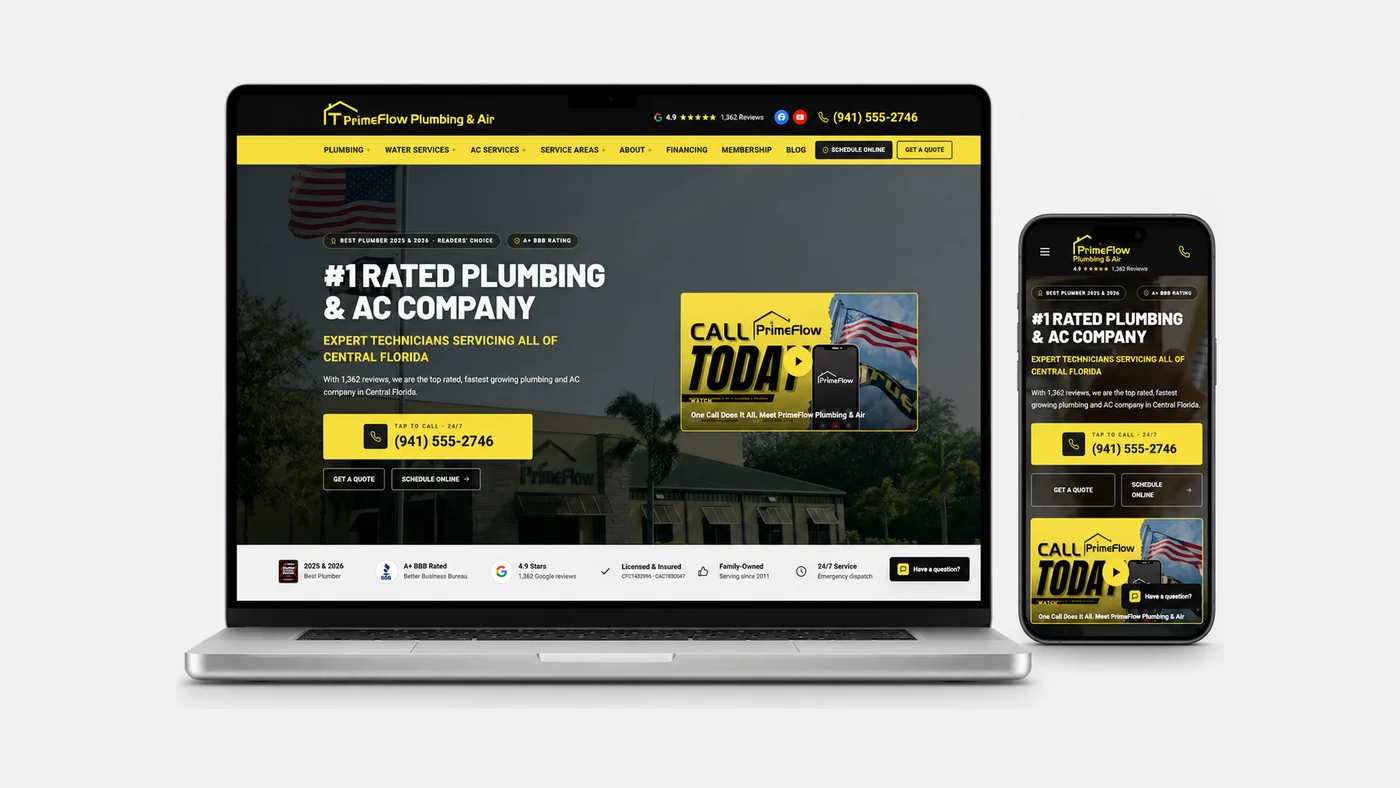
- ·A website that loads under two seconds and converts the click.
- ·Reviews that show before the first call.
- ·Call tracking that follows every source to a booked job.
ACHR News has argued that digital channels beat traditional HVAC advertising on targeting and the ability to measure. The useful part is not the slogan. You can see which campaign booked the $9,000 install versus the $200 service call.
"The goal is more of the right jobs, tracked to a paid invoice. Lead count without that trail is a vanity report."
"The goal is more of the right jobs, tracked to a paid invoice. Lead count without that trail is a vanity report."
Why mailers and radio fail the HVAC P&L
A $3,000 mailer can produce calls. You still will not know if that caller came from the mailer, a truck wrap, or a Google search after they saw the mailer. Digital lets you assign numbers and URLs per channel.
Job values in HVAC swing from a few hundred dollars on a repair to five figures on a replacement. When you know which ad booked which job, you can raise spend on replacement terms in shoulder season and cut repair terms that only produce price shoppers.
Track lifetime value, not only first-ticket. Tune-up today, system next year, two neighbor referrals after that. A channel that looks expensive on first job can be cheap on a three-year relationship.
The channels, ranked by how you should use them
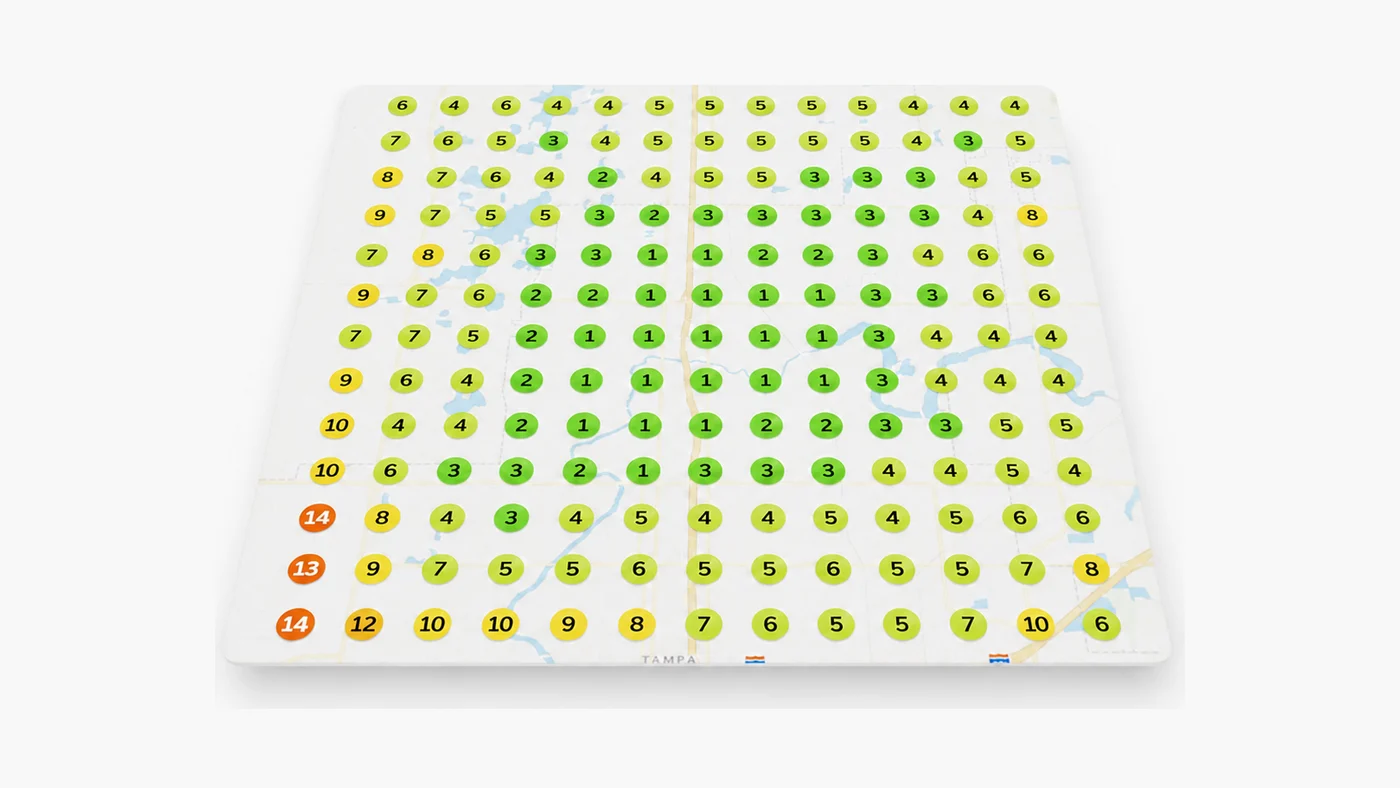
- 01 Google Business Profile and review velocity. Highest payoff for Map Pack. SEO campaigns are $3,000/mo with a 90-day Top-3 Map Pack target. Target, not guarantee.
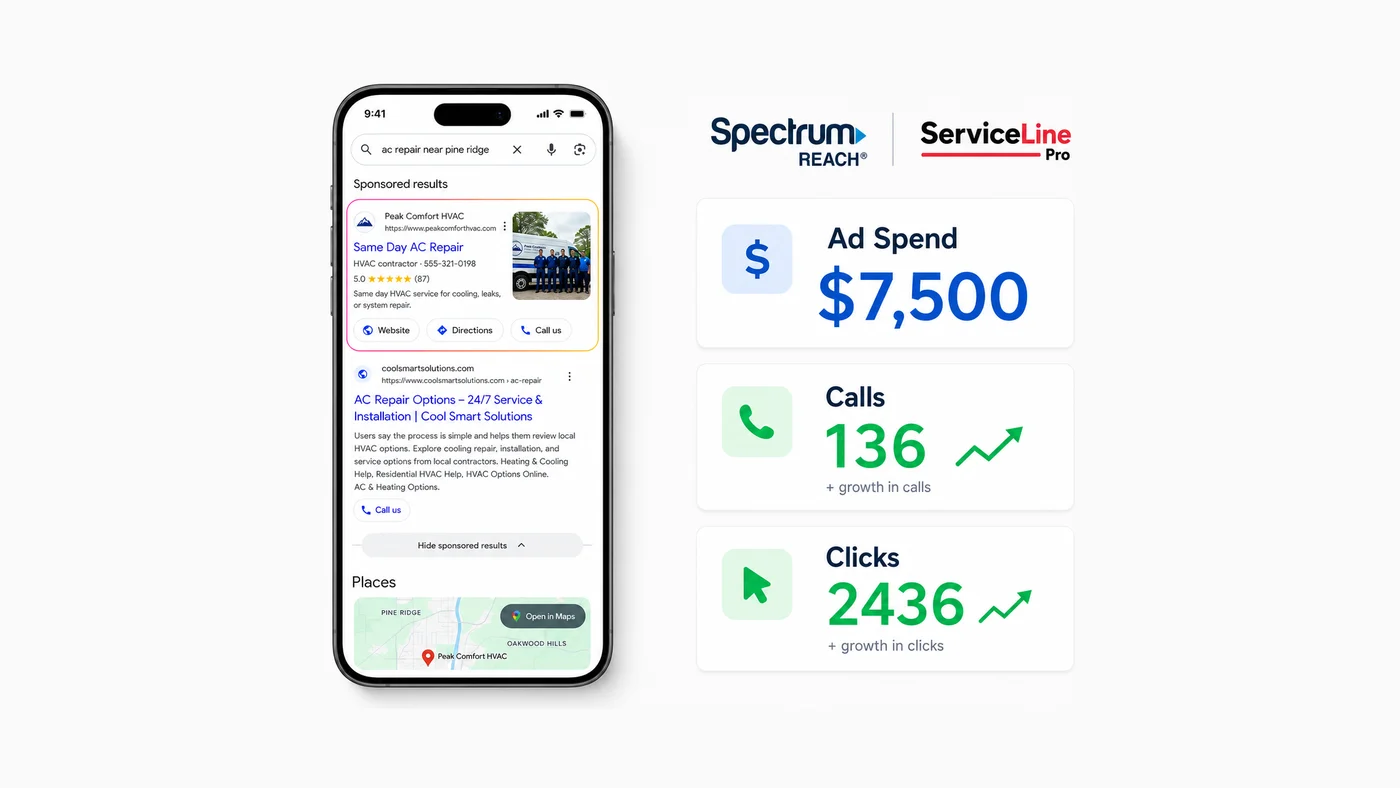
- 02 Google Ads. Fastest path to calls. $0 agency fee on our PPC through Spectrum. Around $5,000/mo typical in a competitive metro. Calls often inside seven days.
- 03 Organic service and city pages. ACHR News has noted SEO often needs 6 to 12 months for meaningful organic results while paid can ramp in weeks. Use ads to prove keywords, then build pages for the winners.
- 04 OTT/CTV for name recognition in cooling season. Branding, typically $5,000/mo and up. Nobody calls from the spot.
- 05 ChatGPT Ads if you want that product: $1,500 setup plus $500/mo. Sold as a product, not a rumor.
Do not wait for SEO to “finish” before running ads. Ads pay the board while the map moves. For HVAC-specific SEO tactics, see targeted local SEO for HVAC.
Metrics that match how an HVAC company makes money
Cost per lead lies. A $15 lead that never books is worthless. A $90 lead that closes a replacement and a maintenance plan is the business.
- ·Cost per booked job: spend divided by jobs actually on the board.
- ·Revenue per job by source: repair vs install vs membership.
- ·Booking rate: calls and forms that become appointments.
- ·Answer rate and after-hours coverage: ads amplify whatever happens on the phone.
- ·Repeat and membership rate: the LTV half of the math.
One call-tracking stack across paid, organic, and the profile. Unique numbers per campaign. Grade calls weekly. Reallocate from any channel that fails cost-per-booked-job for two months in a row, after you have ruled out answer rate.
Where HVAC marketing usually leaks
The ads work. The site exists. The profile is claimed. None of them share data. Converting paid keywords never become service pages. Reviews sit on Google while landing pages show stock photos. Tracking covers paid but not organic.
- ·One tracking system. No orphan channels.
- ·Ad-proven keywords become SEO page targets each quarter.
- ·Reviews on every service and city page.
- ·Seasonal offers aligned across ads, GBP posts, and email.
We run that stack for HVAC owners: Local SEO, zero-fee Google Ads, sites under two seconds, AI SEO at +$1,500/mo with active SEO. Compare firms in best HVAC marketing agencies. Start with the Growth Audit or book a strategy call at (813) 669-7572.
Frequently Asked Questions
What ROI should an HVAC company expect from digital marketing?
There is no honest universal multiple. Track cost per booked job and LTV by channel. SEO should get cheaper at the margin as rankings hold. Call handling moves ROI more than bid tweaks.
Where should a growing HVAC company spend first?
Google Business Profile and reviews, then paid search on emergency and replacement terms, then SEO pages for the keywords that already close.
How do I measure HVAC marketing honestly?
Calls by source, graded. Cost per booked job monthly. Do not kill a channel on week two of a heat wave or a cold snap without looking at answer rate.
Get a real diagnosis of your business.
A seven-layer review of your SEO, Google Ads, website, and Map Pack presence, delivered as a written report within 72 hours. It's $1,000 and it always credits toward any work you do with us. If we don't find $100,000 in missed revenue, we refund it.
Get the Growth Audit